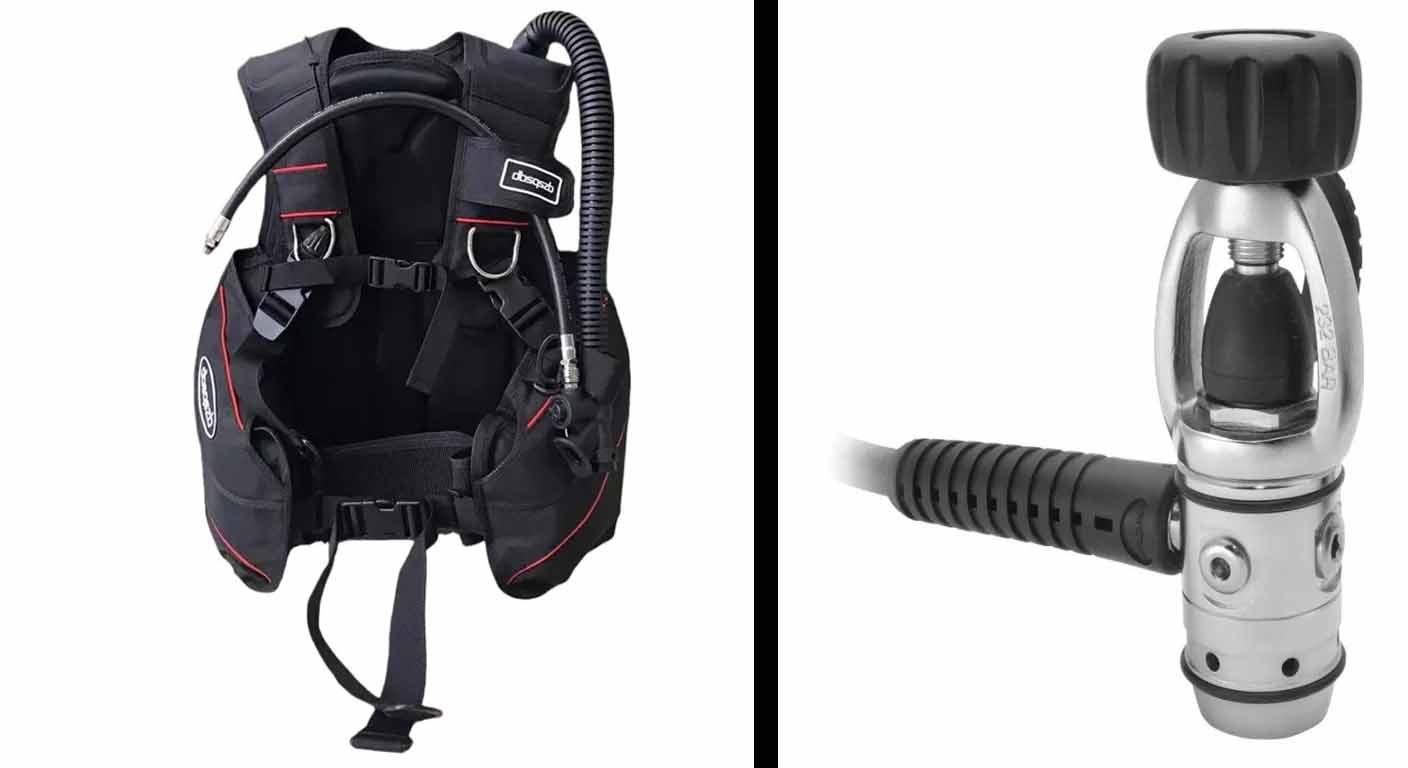

Unbranded Scuba Gear: The Dangers of Cheap Regulators & BCDs
Buying low-cost dive equipment online can look sensible, especially when travel, training, cylinders, and boat fees already strain a budget. This consumer guide explains how unbranded scuba gear can expose divers to uncertain seller accountability, missing CE and EN250 evidence, unstable regulator intermediate pressure, unavailable service kits, and preventable BCD failures. It also covers bladder fabrics, dump valves, inflator corrosion, annual maintenance, and the questions a local technician should answer before you pay. Written for divers planning trips around Carmen, Agusan del Norte, Butuan Bay, and wider Mindanao, it connects equipment choices with real boat and current conditions. Learn how to verify certification, confirm parts support, inspect a BCD, and choose a regulator that a qualified shop can maintain for years. Protect your breathing supply and buoyancy control before your next descent—check the safety facts today.
Cheap online equipment can stretch a diving budget, but a regulator and buoyancy compensator are not ordinary accessories. They control breathing gas and position in the water. For divers visiting Carmen, Agusan del Norte, the consequences of choosing unbranded scuba gear may appear far from shore, where returns and seller messages offer no practical help. Before buying, compare the purchase price with parts support, engineering evidence, service access, and expected working life.
Marketplace Risks Behind Unbranded Scuba Gear
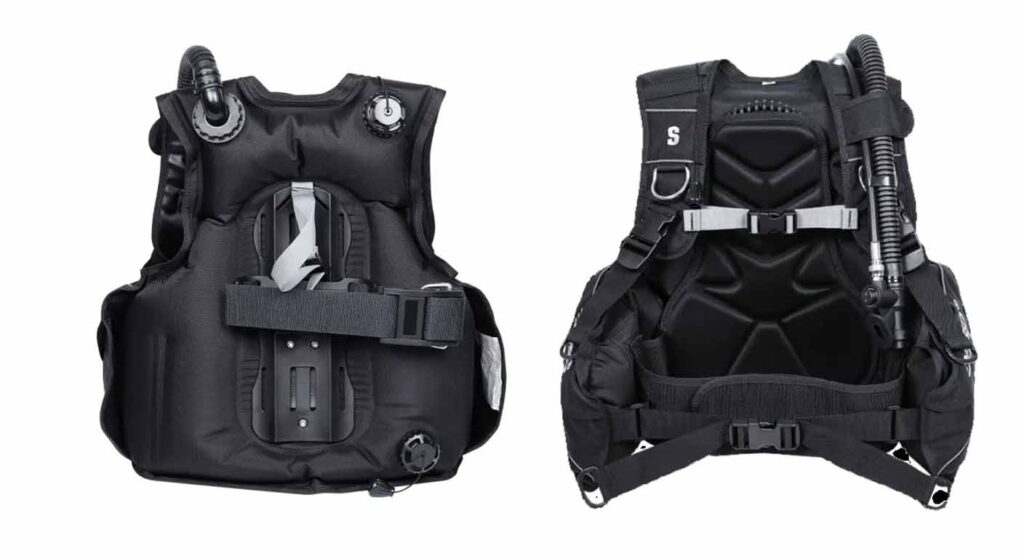
Many generic marketplaces operate more like public bulletin boards than regulated dive retailers. Anonymous third-party sellers can open, disappear, and reopen under another name. Some also ship directly from overseas, which makes Philippine warranty claims difficult to enforce. The Department of Trade and Industry’s consumer education resources explain buyer rights, but those rights offer limited practical protection when nobody can identify or reach the responsible importer.
Photos and star ratings do not establish engineering quality. A seller may reuse another factory’s images, change product names, or combine reviews from unrelated items. Consequently, two units that look identical may contain different seats, springs, plastics, or plating. At Butuan Bay Scuba, we recommend tracing equipment to a named manufacturer, an authorized distributor, and a documented service network before payment.
Price also hides the cost of failure. If a mask strap snaps, a diver can often solve the problem without losing breathing gas. However, a regulator free-flow or stuck inflator demands immediate action. Reports in the European Commission’s Safety Gate system show why traceable manufacturers and formal recall channels matter. Unbranded scuba gear rarely offers a comparable route for safety notices or batch identification.
Marketplace descriptions may claim “professional,” “tested,” or “military grade” without defining those terms. Those labels do not replace test reports, serial numbers, manuals, or product liability coverage. Boat divers should also account for spray, impacts, crowded equipment racks, and limited spares. The Philippines boat-diving trip checklist helps buyers consider those practical demands before selecting life-support equipment.
How Missing EN250 Testing Puts Regulators at Risk
A regulator reduces cylinder pressure in two controlled stages. Therefore, minor internal errors can affect gas delivery throughout a dive. Unbranded scuba gear may carry no verifiable declaration of conformity, production records, or independent assessment. The European Commission’s CE marking guidance explains what the mark represents. Still, buyers must check the supporting documents because a printed logo alone proves little.
EN250 evaluates open-circuit scuba regulators under defined pressure, temperature, airflow, and breathing-performance conditions. It also addresses equipment configurations and connections. The European Committee for Standardization provides the framework behind European standards. Without credible EN250 evidence, buyers cannot know whether a regulator maintains acceptable inhalation effort during deeper breathing, reduced cylinder pressure, or simultaneous demand from an alternate second stage.
A first stage normally supplies an intermediate pressure roughly 8 to 10 bar above ambient pressure, although each manufacturer sets its own specification. If the pressure runs too low, the second stage may struggle during high demand. If it climbs because of a damaged high-pressure seat, the second stage can free-flow. Divers Alert Network guidance on regulator care explains why inspection and correct maintenance matter.
Technicians check intermediate pressure with a gauge and watch for pressure creep after inhalation. They also measure cracking effort and inspect hose condition, filters, seats, and environmental seals. A random online unit may lack specifications for every one of those checks. Before planning the best dive sites around Butuan Bay, confirm that a qualified technician can test the regulator to its manufacturer’s limits.
Why Local Shops Cannot Service Nameless Gear
Annual servicing involves much more than rinsing salt from a regulator. A technician must identify the exact model, obtain approved parts, follow torque values, and restore factory settings. However, unbranded scuba gear often arrives without a stable model number or service manual. Ask the Butuan Bay Scuba team about local diving logistics before carrying unfamiliar equipment to Carmen.
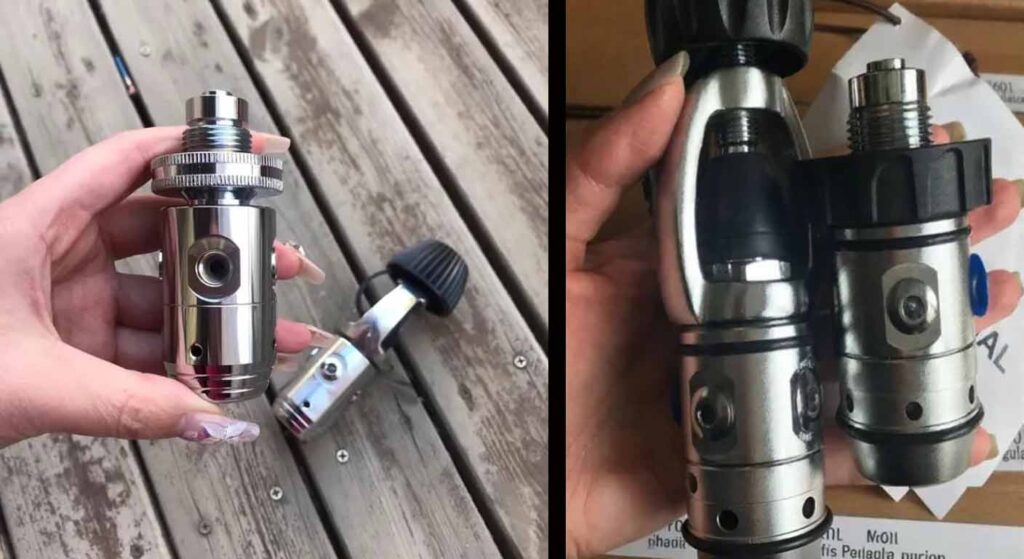
Regulator service kits contain model-specific O-rings, filters, high-pressure seats, low-pressure seats, washers, and sometimes diaphragms. Similar-looking components can differ in hardness, dimensions, and material compatibility. A responsible shop will not improvise with a hardware-store O-ring inside life-support equipment. In addition, PADI’s advice on caring for scuba equipment stresses proper inspection rather than relying only on exterior appearance.
Some divers assume a shop refuses generic equipment to protect brand sales. Actually, the main issue is liability and parts control. Without technical data, a technician cannot confirm intermediate pressure, torque, lubricant, or second-stage cracking effort. Renting a supported regulator may cost less than cancelling a trip. This matters when reviewing beginner and advanced dive options near Butuan City.
Disposable pricing creates another problem. When the first annual service costs almost as much as replacement, owners may skip maintenance or buy another unknown unit. That cycle produces waste and leaves divers repeatedly testing new machinery underwater. A supported regulator costs more initially, but parts access can keep it working safely for years. Plan equipment needs alongside your Carmen scuba-diving arrangements.
BCD Bladders, Valves, and Inflators Can Fail
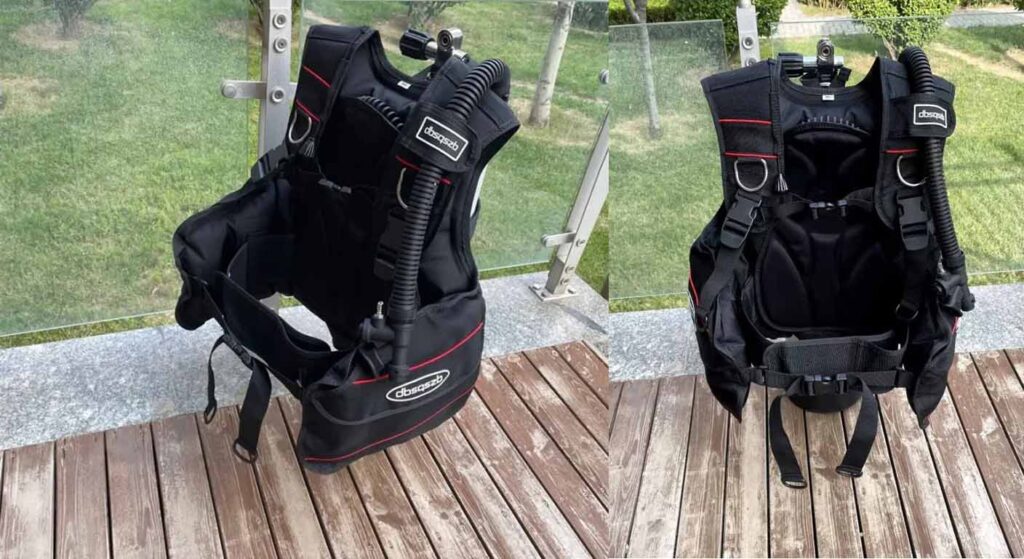
A BCD must hold gas, release it on command, and accept controlled inflation. Yet unbranded scuba gear may use thin polyester shells, inconsistent bladder coatings, weak seams, and poorly finished valve openings. Polyester itself is not automatically unsafe, but reputable Cordura-grade nylon usually offers better abrasion and tear resistance at comparable construction levels. DAN’s BCD maintenance advice shows why cleaning and inspection remain essential.
Bladder damage often starts where tanks, cambands, backplates, or boat decks rub the fabric. Salt crystals and trapped sand then abrade coatings and valve seals. Meanwhile, warm, wet storage encourages corrosion around inflator components. The NOAA explanation of marine corrosion provides useful background on why saltwater attacks unsuitable metals so quickly. Proper rinsing cannot correct weak materials or poor plating.
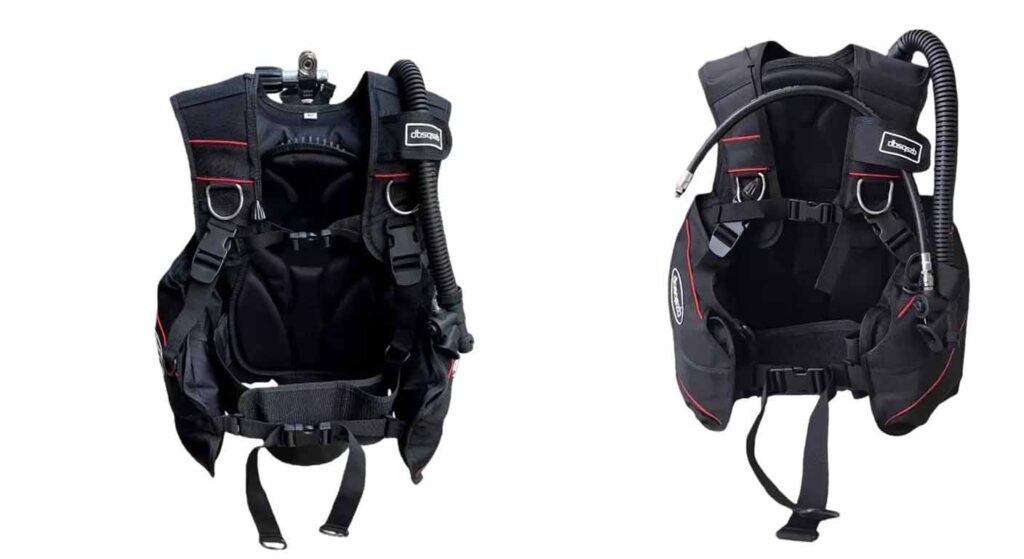
Low-grade plastic dump valves can distort, crack, or jam open after sand reaches the sealing surface. Gas then escapes faster than the inflator can replace it, which may leave a diver negatively buoyant. Inspect valve threads, pull cords, sealing faces, and over-pressure operation before every trip. Reliable buoyancy becomes especially important along the slopes described in the Balete Wall dive-site profile.
Inflators introduce the opposite hazard. A weak alloy spring, rough button shaft, or corroded mechanism may stick and produce uncontrolled inflation. A trained diver should disconnect the low-pressure hose, dump gas, and control the ascent without delay. Still, prevention works better than an emergency response. That control matters at locations with moving water, including the Bolihon Point dive site.
Choosing Safer Scuba Gear for Mindanao Dives
Start with environmental and logistical demands. Warm water does not eliminate regulator risk, while current, depth, exertion, and low cylinder pressure can increase gas demand. Boat spray also exposes inflators and first stages to salt before the dive begins. Check PAGASA marine forecasts and discuss site conditions with the local dive operator rather than choosing equipment solely by price.
Next, ask the seller for a manufacturer name, serial number, user manual, warranty contact, and declaration of conformity. Confirm that the exact regulator configuration meets EN250, not just a related hose or valve. Also ask which Philippine shop stocks service kits. When planning several destinations, the Mindanao scuba-diving location guide can help match equipment choices with travel and boat requirements.
Inspect a BCD before committing it to open water. Inflate it fully, leave it under pressure, operate every dump valve, test oral inflation, and check the corrugated hose. Then connect the low-pressure inflator and confirm that its buttons move freely. Divers should practice disconnecting that hose while neutrally buoyant. However, use confined water and professional supervision when learning the procedure.
Finally, calculate ownership cost across five years rather than one checkout screen. Include annual labor, service kits, replacement hoses, travel delays, and rental equipment during repairs. Supported equipment often wins that calculation because trained technicians can restore it instead of discarding it. Avoid unbranded scuba gear when the seller cannot prove certification, provide parts, or identify a competent service center.
A low price cannot compensate for uncertain breathing performance or unreliable buoyancy control. Choose regulators and BCDs with traceable manufacturers, documented testing, available service kits, and local technical support. Then inspect them before each dive and service them on schedule. Mindanao offers rewarding boat, wall, and current diving, but those conditions leave little room for disposable life-support equipment. Spend carefully, ask direct questions, and put serviceability ahead of marketplace promises.