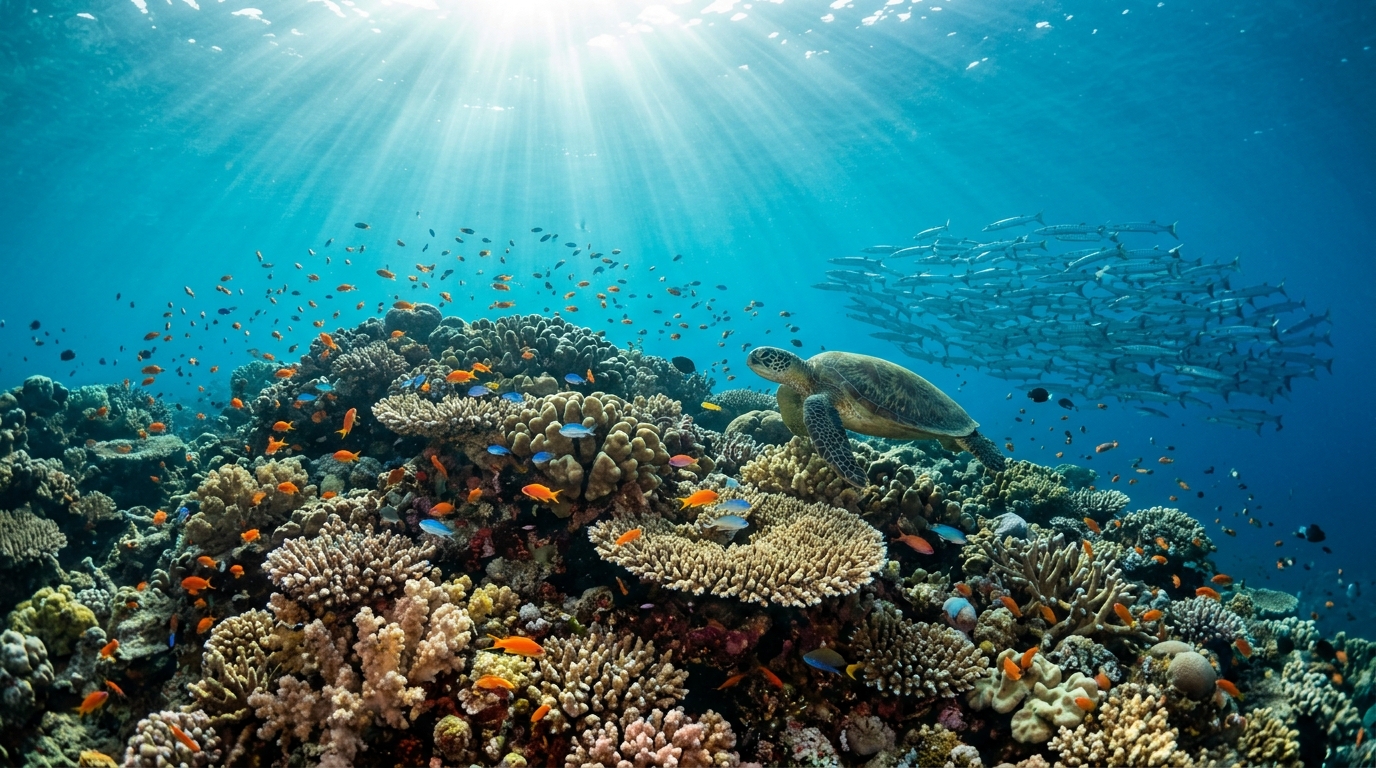

Beneath the Surface: The Incredible Marine Life Waiting for You in Butuan Bay
The sweeping coastal waters of Northern Mindanao host an array of underwater ecosystems that remain entirely untouched by destructive mass tourism. For independent scuba divers looking to bypass overcrowded destinations, this pristine region serves as a major oceanic sanctuary. Understanding the local aquatic landscape allows travelers to plan precise itineraries around seasonal migration patterns and pelagic movements. Diving deep into these clear waters reveals exactly why the incredible marine life thriving across this bay continues to stun experienced explorers worldwide.
The foundational source of this rich biodiversity stems directly from regional underwater topography. The massive deep-sea depths of the neighboring Bohol Sea trench slope upward against the local continental shelves, acting as a massive nutrient highway. This unique geographic configuration generates constant, deep-water upwellings that push microscopic plankton and baitfish directly into local dive sanctuaries. Consequently, predatory species migrate along these marine corridors, establishing predictable behaviors for tracking schooling formations.
Navigating these high-action environments successfully requires an advanced understanding of current dynamics and proper open-water deployment protocols. Divers must maintain elite buoyancy control while managing drift patterns along dramatic vertical walls and drop-offs. Because open-ocean conditions change quickly, the mandatory deployment of a high-visibility Surface Marker Buoy (SMB) ensures proper surface support tracking during blue-water ascents. Preparing your skills beforehand allows you to focus fully on the pelagic spectacles unfolding around you.
The Epic Formations of Butuan Bay’s Chevron Barracudas
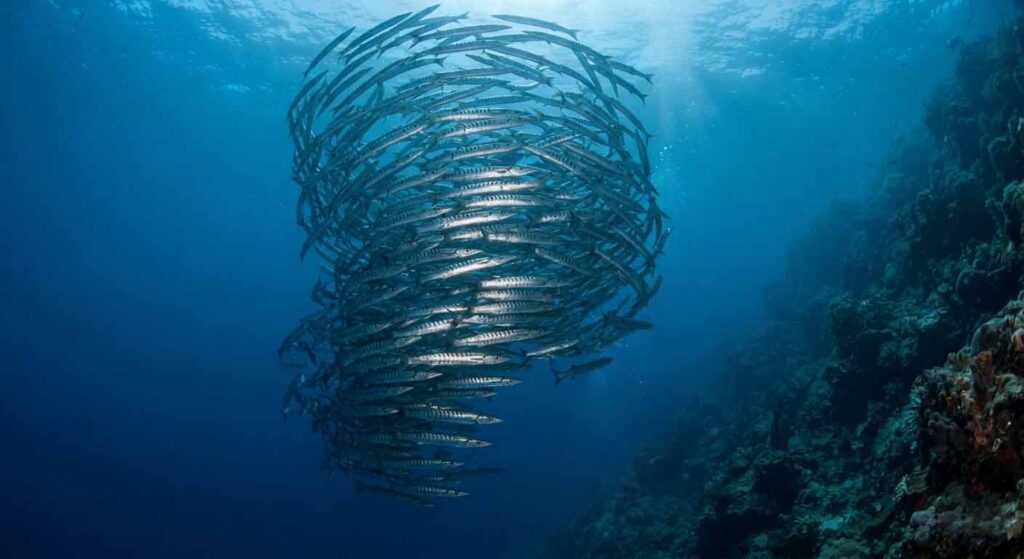
Witnessing the sheer scale of the predatory schools here is a core highlight for advanced divers visiting our local marine boundaries. Unlike solitary Great Barracudas that hunt alone along shallow reef flats, hundreds of individual Chevron Barracudas aggregate into tightly bound social herds. This strategic schooling behavior allows the predatory group to corral massive clouds of silver baitfish against the deep current walls. The resulting defensive formation transforms the individual fish into a singular, mesmerizing wall of moving silver.
Actually observing these silver walls up close reveals distinct behavior patterns known within the global diving community as the “Tornado” formation. The massive school spirals tightly together from the deep drop-offs, stretching upward into a towering funnel that blocks out the overhead sunlight. This incredible phenomenon is consistently fueled by deep-water upwellings colliding against massive underwater shelves like Bolihon Point or Punta Diwata. The nutrient-dense water attracts staggering volumes of pelagic species right to the edges of the drop-offs.
Because these sweeping currents run fast along the deep walls, maintaining an optimal position in the water column is essential for a safe encounter. Divers must avoid kicking erratically to prevent disturbing the natural shape of the spiraling formation. Instead, finding a stable drift path allows the barracudas to naturally slide closer to your team, offering unparalleled photographic access. This predictable pelagic highway underscores why the incredible marine life of the region remains highly sought after by global underwater photographers.
To plan your deep-water excursions and verify local seasonal visibility maps, explore our specialized overview detailing Butuan Bay Scuba Dive Sites. For additional guidelines regarding open-water drift safety and emergency signaling procedures, you can reference the official PADI Drift Diver Standards.
Resident Sea Turtles and Fringing Reef Architecture
Moving closer to the protected shallow areas reveals an entirely different ecosystem built around complex fringing reef architecture. These stable, sunlit shelves provide a secure home for dozens of resident Green Sea Turtles and Hawksbill Turtles. These marine reptiles rely on the bay’s shallow seagrass beds and hard coral formations for daily foraging and shelter from large deep-water predators. Divers frequently encounter these animals resting quietly inside shallow rocky overhangs or feeding along the vertical slopes.
The structural foundation supporting these populations consists of massive hard coral colonies that have grown undisturbed for centuries. Fringing reefs act as natural barrier protections for the coastline, dissipating wave energy while creating intricate micro-habitats for smaller reef species. These structural matrices support an extensive food web, ensuring that larger marine reptiles have an abundant supply of sponges and sea anemones. This continuous ecological balance showcases how the inshore habitats preserve the incredible marine life over long periods.
But the long-term health of these older fringing structures depends directly on active local conservation management strategies. Protecting these core structural elements prevents habitat fragmentation, ensuring that migratory pathways between the shallow feeding beds and deep nesting zones remain entirely open. Divers can actively support these efforts by practicing strict non-contact observation rules during every dive. Minimizing physical interactions with the substrate protects the slow-growing coral tips from accidental breakage.
To view current resort lodging availability and explore custom beachfront tour packages, check out the Butuan Bay Scuba Accommodation Rates. To learn more about global turtle tracking programs and international protection guidelines, consult the NOAA Fisheries Sea Turtle Conservation.
Critter Hunting and Macro Biodiversity Hotspots
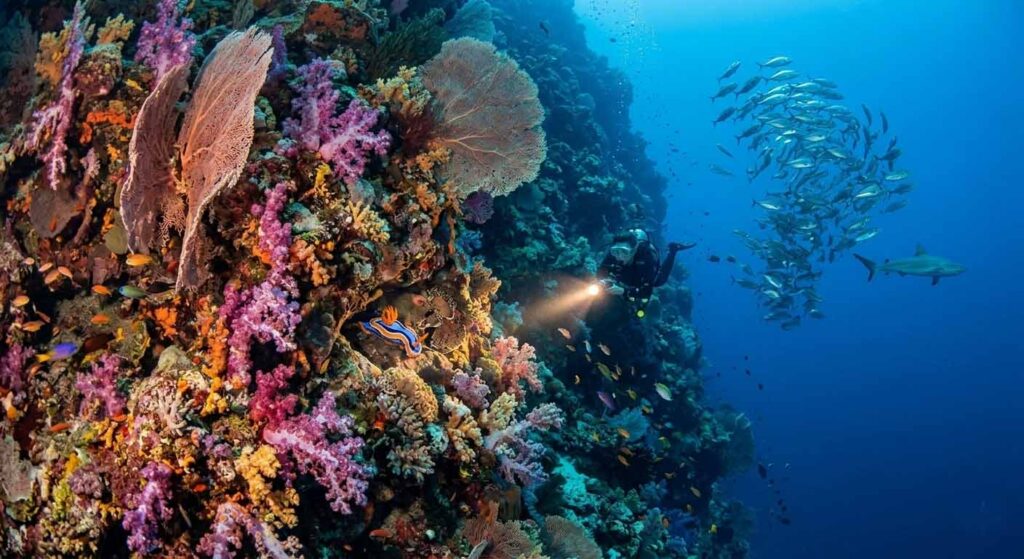
While pelagic encounters draw massive attention, the macro biodiversity hidden across our silty slopes offers an equally rewarding experience. Specialized muck diving sites across the inner bay feature a complex mix of volcanic sand and decaying organic material. This unique substrate creates an ideal hiding environment for highly bizarre, cryptically camouflaged critter species. Dedicated macro photographers frequently spend hours scanning these dark bottom compositions to isolate rare marine organisms.
Among the most sought-after macro inhabitants are distinct species of Pygmy Seahorses hidden safely inside local sea fan fields. These tiny creatures mimic the exact texture and color of their host corals, making them virtually invisible to untrained eyes. On top of that, sharp-eyed divers regularly locate rare nudibranchs, flamboyant cuttlefish, and blue-ringed octopuses moving across the sandy patches. This staggering density of small organisms highlights the hidden dimensions that make up the incredible marine life within our bay.
Actually, spotting these miniature species requires a slow, methodical approach and exceptionally precise buoyancy adjustments. Divers must avoid making contact with the silty floor to prevent kicking up blinding clouds of sediment that ruin visibility. Using a single-finger pointer stick can help stabilize your body position above the sand without harming hidden marine burrows. This focused technical approach ensures that fragile macro micro-habitats remain fully protected for future dive teams.
To select specialized macro equipment or browse custom underwater camera housings, review our curated list of Butuan Bay Scuba Diving Gear. For comprehensive species identification charts and global marine taxonomies, refer to the World Register of Marine Species.
Deep Vertical Walls and Pelagic Highway Interactions
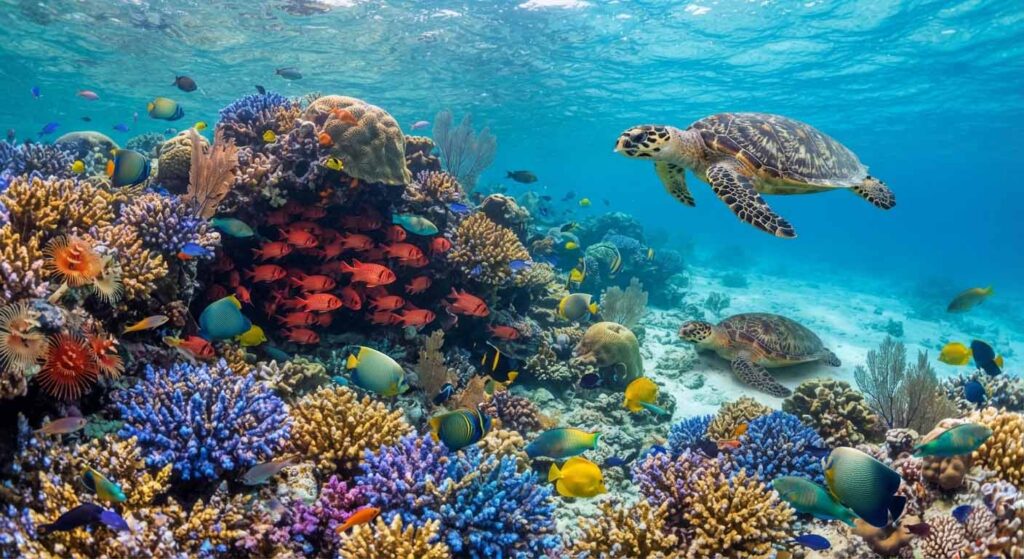
Beyond the sheltered coastal flats, the bay drops dramatically into a series of massive vertical walls that plunge past recreational diving limits. These steep drop-offs serve as primary interception points for large pelagic fish traveling through the Mindanao sea corridors. Sweeping oceanic currents constantly wash against the limestone rock faces, bringing fresh supplies of oxygen and nutrients to deep-water organisms. This continuous flow turns the deep walls into high-velocity marine highways where unexpected encounters happen regularly.
Divers drifting along these sheer drop-offs frequently witness schools of predatory Jacks, Giant Trevallies, and sleek Reef Sharks patrolling the blue edges. These large carnivores use the natural contours of the steep walls to ambush massive blocks of baitfish swimming close to the drop-offs. The high-speed hunting chases create a dynamic spectacle that contrasts sharply with the calm, slow-paced lifestyle of the shallow coral reefs. This raw, open-ocean energy perfectly demonstrates the diverse scale of the incredible marine life thriving here.
However, managing deep wall profiles demands consistent focus on your maximum depth limits and remaining gas supplies. Because the clear blue water often distorts your natural depth perception, checking your dive computer regularly is a critical safety rule. Divers must plan conservative dive profiles to ensure adequate decompression safety margins during every drift run. Adhering to these strict safety protocols guarantees a highly rewarding experience along these world-class deep-water shelves.
To secure your professional guide reservations or arrange custom deep-water group itineraries, visit the Butuan Bay Scuba Contact Page. For comprehensive technical safety manuals and decompression illness prevention guidelines, visit the Divers Alert Network.