
DIN vs Yoke: Scuba Valve and Regulator Comparison
DIN vs Yoke explained for divers heading to Carmen, Agusan del Norte, and other Mindanao sites. Learn how each scuba valve and first stage regulator seals, why exposed and captured O rings behave differently, and how connection design affects handling on a moving boat. This practical equipment briefing compares 232 bar five thread DIN fittings with 300 bar seven thread fittings, including thread depth and pressure safety. It also covers portable DIN to yoke adapters, removable brass donuts, hex key use, inspection, lubrication, and leak checks. You will get clear travel advice for rental cylinders, airline packing, road transfers, spare parts, and operator confirmation before departure. Use it to match your regulator with local tanks, avoid preventable setup delays, and protect the valve face from damage. Prepare your kit with confidence, review every connection before boarding, and book your Butuan Bay diving plan today for a safer first splash in Mindanao with fewer equipment surprises.
DIN vs Yoke is more than a preference about how a regulator looks on a cylinder. The connection controls O-ring placement, pressure containment, impact resistance, and compatibility with rental tanks. For divers visiting Carmen, Agusan del Norte, those details can determine whether gear setup takes two minutes or stops the dive. This comparison explains the engineering, adapters, travel issues, and maintenance practices that matter in Butuan Bay.
DIN vs Yoke: How Each Connection Seals Under Pressure
DIN vs Yoke at the Valve Face
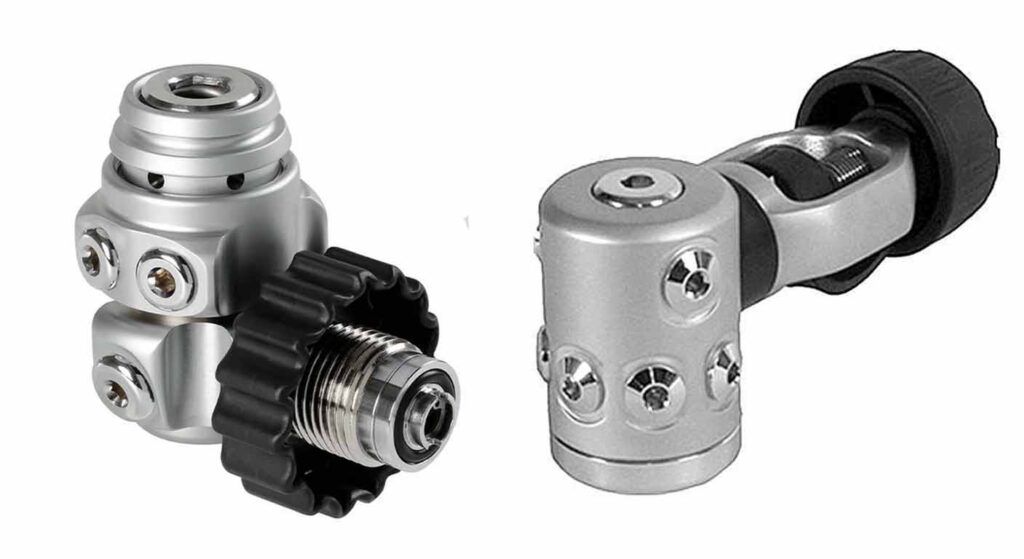
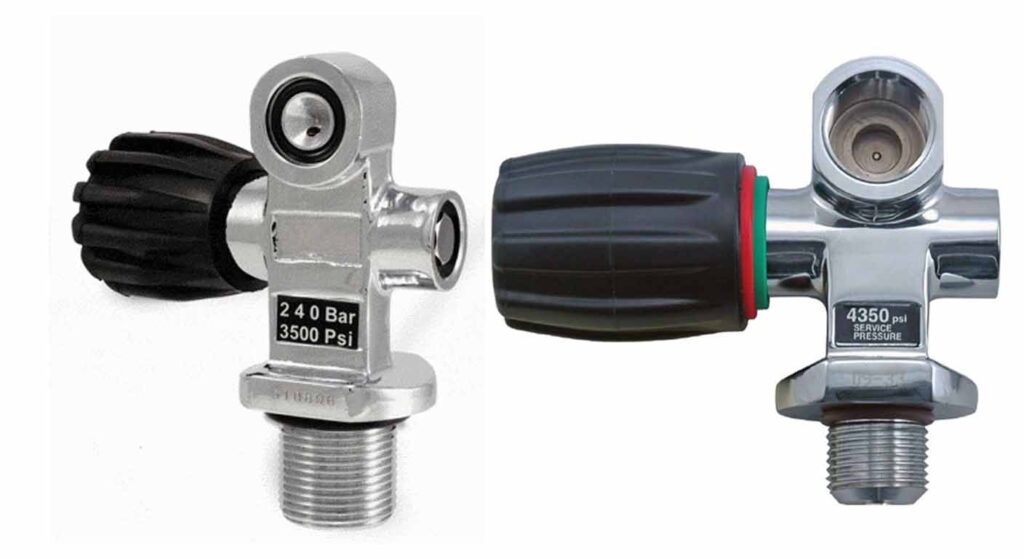
A DIN first stage has a threaded stem that screws into the cylinder valve. As the regulator seats, its O-ring enters a protected recess inside the valve. Gas pressure pushes that seal against surrounding metal, while the threads hold the regulator firmly in line. The PADI equipment overview offers useful background on selecting compatible scuba components.
A yoke, also called an A-clamp, fits over the valve post. Its screw pushes the first stage against a flat valve face, where an exposed tank O-ring forms the seal. This arrangement is simple and easy to inspect. However, the O-ring can extrude if it has damage, contamination, or the wrong size. Review DAN equipment safety resources before servicing pressure-bearing gear.
Both systems handle normal recreational pressure when their parts match and remain in good condition. However, DIN protects the sealing ring from boat rails, tank racks, and careless handling. Yoke leaves the ring exposed whenever the regulator comes off. Since ambient pressure changes rapidly underwater, the NOAA explanation of ocean pressure helps place these loads in context.
In practical DIN vs Yoke comparisons, DIN usually provides better resistance to impact and accidental O-ring displacement. Yoke remains convenient because many Philippine rental cylinders use it. Neither design compensates for damaged threads, salt deposits, or a loose connection. Divers arranging equipment through Butuan Bay Scuba should confirm the available valve style before packing.
DIN Thread Counts and High-Pressure Ratings
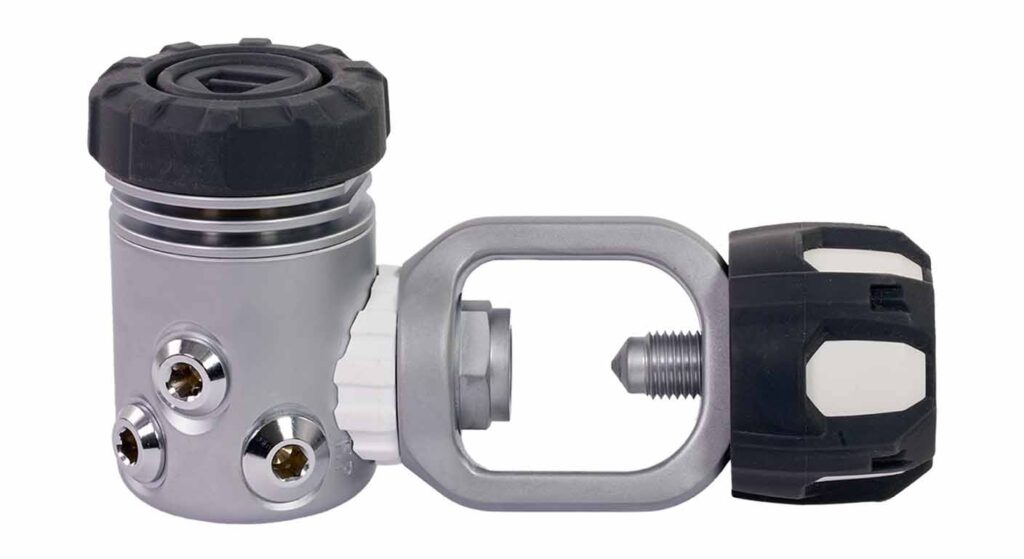
The common five-thread DIN connection is rated for 232 bar, or roughly 3,300 PSI. Its threaded stem is shorter, so it reaches full engagement in a standard 232-bar valve. This pressure class comfortably covers common aluminum and steel recreational cylinders. Still, divers must inspect every thread because cross-threading reduces alignment and damages the valve body.
A seven-thread DIN connection uses a longer threaded stem and is rated for 300 bar, or about 4,400 PSI. The added engagement distributes axial force across more thread surfaces. Consequently, the regulator resists movement under higher pressure. Standards from the International Organization for Standardization help manufacturers maintain consistent dimensions and safe working limits.
Thread depth also prevents an unsafe pressure mismatch. A 232-bar, five-thread first stage cannot seat deeply enough in a true 300-bar valve, so it cannot form a usable seal. Meanwhile, many seven-thread first stages fit both valve classes. Never force a connection; instead, follow manufacturer markings and established Compressed Gas Association handling principles.
The DIN vs Yoke decision should therefore include both connection type and pressure rating. A DIN label alone does not prove that two components match. Check the regulator specification, valve stamping, cylinder working pressure, and service history. Before visiting local sites, compare likely rental configurations with the Butuan Bay dive-site directory.
Adapters and Donuts for Mixed Valve Setups
A portable spin-on DIN-to-yoke adapter lets a diver use a DIN regulator on a standard yoke cylinder. The adapter screws onto the regulator’s DIN stem and supplies the clamp frame needed for the tank valve. This small part is useful in remote locations where rental inventory varies. The local guide for new and experienced divers can help with trip planning.
The adapter adds length and weight behind the diver’s head. Therefore, tighten it by hand, align the first stage carefully, and check that the yoke screw sits squarely. Never use pliers to gain extra leverage. Before pressurizing, inspect both O-rings and open the valve slowly. Equipment manuals from Aqua Lung support provide model-specific limits.
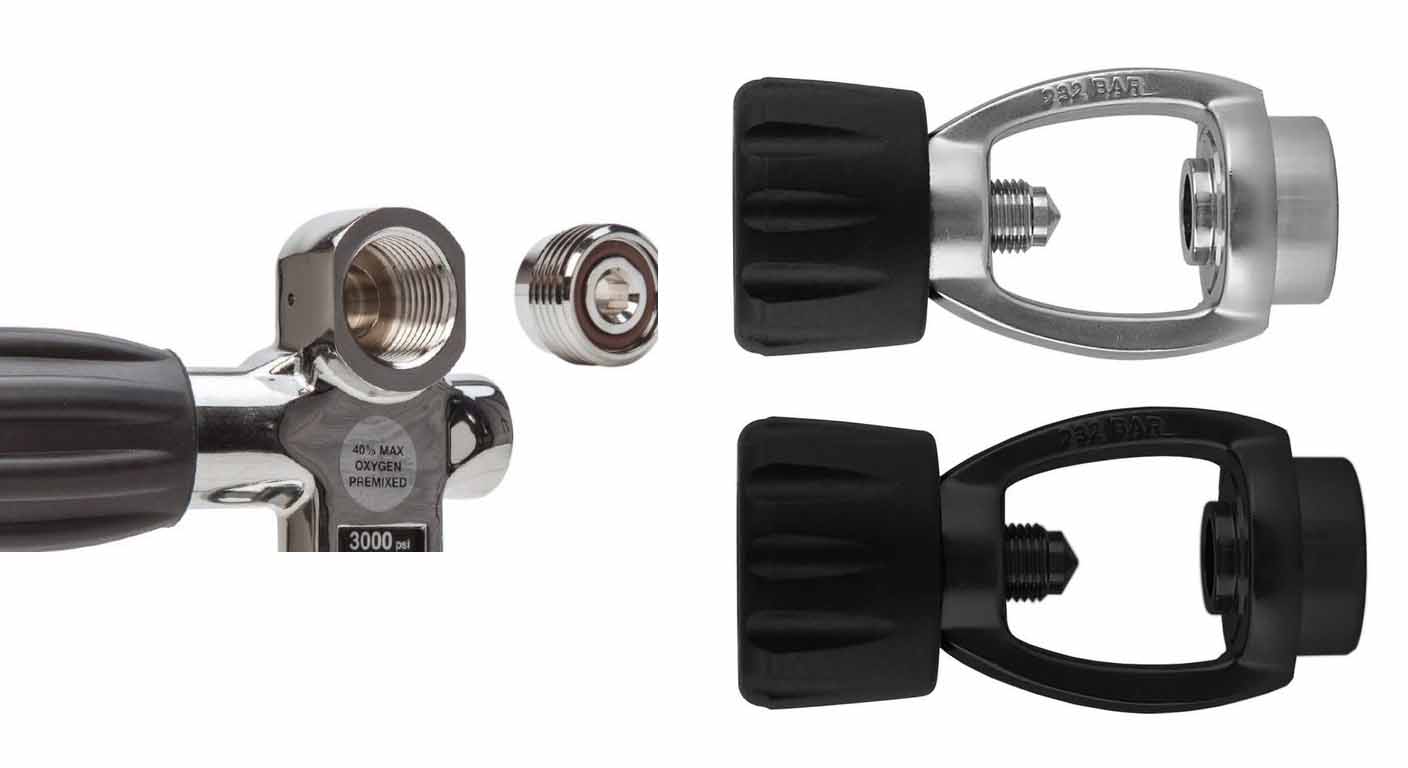
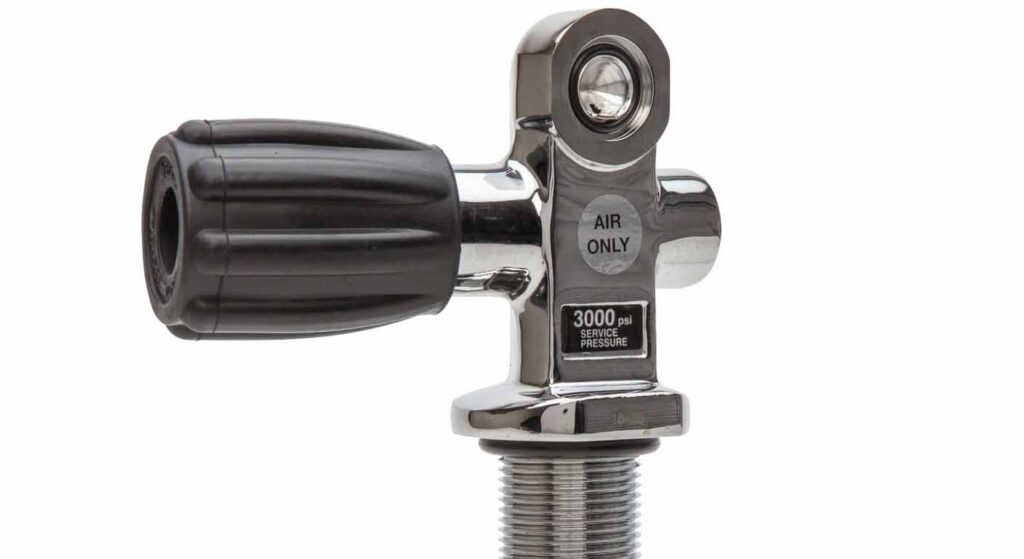
A yoke screw-in insert, often called a donut, works in the opposite direction. This removable threaded brass insert screws directly into a compatible DIN tank valve. Once seated, it creates the standard flat-faced yoke valve post and exposes a conventional tank O-ring. Use the specified Allen wrench or hex key to install or remove it without damaging the recess.
Donuts are practical for operators serving divers with mixed regulator fleets. However, the valve must be designed for a convertible insert; a dedicated 300-bar DIN valve generally will not accept one. Keep the hex socket clean, apply only approved lubricant when specified, and store removed inserts safely. Confirm expected configurations when planning scuba diving in Carmen and Mindanao.
Travel Logistics for Diving Around Mindanao
Divers flying into Mindanao should ask the operator which cylinders, working pressures, and valve posts are available. Photos can prevent misunderstandings because staff may use regional terms for inserts and clamps. Also ask whether the fill station removes donuts during filling. The Carmen lodging guide supports practical route planning, while the Philippine travel portal covers wider destination information.
Pack a DIN-to-yoke adapter if your regulator has a DIN fitting. In addition, carry spare regulator O-rings, valve O-rings, a suitable hex key, and a small inspection light. Keep these parts dry and labeled. The Mindanao scuba location guide helps identify remote areas, while PAGASA forecasts support weather decisions.
Regulators usually travel best in cabin baggage, protected by a padded bag with ports capped. However, airline rules can change, so verify allowances before departure. Never pack pressurized scuba cylinders for ordinary passenger travel. Review the Philippines boat-diving checklist and current IATA dangerous-goods guidance when transporting specialist equipment.
DIN vs Yoke compatibility also matters after the airport transfer. Small coastal operators may have only a few cylinders, and replacement parts may not be nearby. Therefore, perform a complete setup test before the boat leaves shore. This becomes especially important for current-sensitive destinations such as Bolihon Point and its reefs, where schedules depend on tide and sea conditions.
Choosing and Maintaining Your Best Connection
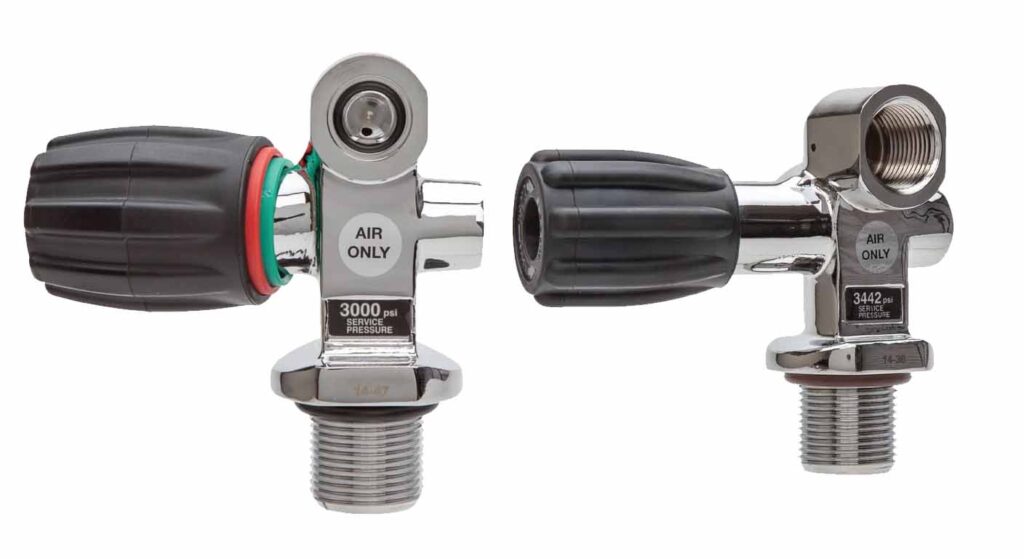
Choose DIN when you value a captured O-ring, a compact regulator-to-valve profile, and strong resistance to impact. It suits technical configurations and divers who own compatible cylinders. Choose yoke when broad rental compatibility matters most. For frequent travel, a DIN regulator plus a quality spin-on adapter often provides the most flexible arrangement.
Before every dive, inspect threads, sealing faces, O-rings, and the yoke screw. Then connect the regulator without forcing it. Open the valve slowly while watching the pressure gauge and listening for leaks. If gas escapes, close the valve, vent the system, and correct the fault. Never tighten a live connection under pressure.
After saltwater use, replace the dust cap securely before rinsing the first stage. Do not press the purge button while an unpressurized regulator soaks because water may enter the hoses. Dry the unit away from direct sun. Periodic professional servicing should cover intermediate pressure, filter condition, hose fittings, and all manufacturer-specified replacement parts.
Finally, match the connection to actual diving rather than internet arguments. A well-maintained yoke regulator is safer than a neglected DIN model, and the reverse is equally true. Ask the local team about cylinders and spares through the Butuan Bay Scuba contact page, or arrange support from a local Butuan Bay divemaster.
The best result in the DIN vs Yoke choice comes from correct matching, careful inspection, and realistic travel planning. Know the valve pressure rating, carry the right adapter, and never force threads or sealing faces. When equipment fits correctly and receives regular maintenance, divers can focus on buoyancy, gas management, and safe exploration around Carmen, Agusan del Norte, and the wider Mindanao coast.