
Philippine Sea Creatures: The Mystery of the Megamouth Shark in Agusan del Norte
The Philippines shelters astonishing marine life across more than 7,600 islands. Its waters hold whale sharks, manta rays, sea turtles, dolphins, and glowing deep-sea animals. Yet few Philippine sea creatures inspire more wonder than the megamouth shark. This elusive giant has appeared near Carmen and Buenavista in Agusan del Norte. Its presence raises an exciting question. What hidden world lies beneath Butuan Bay? The Megamouth Shark Mystery.
Philippine Sea Creatures: Meet the Megamouth
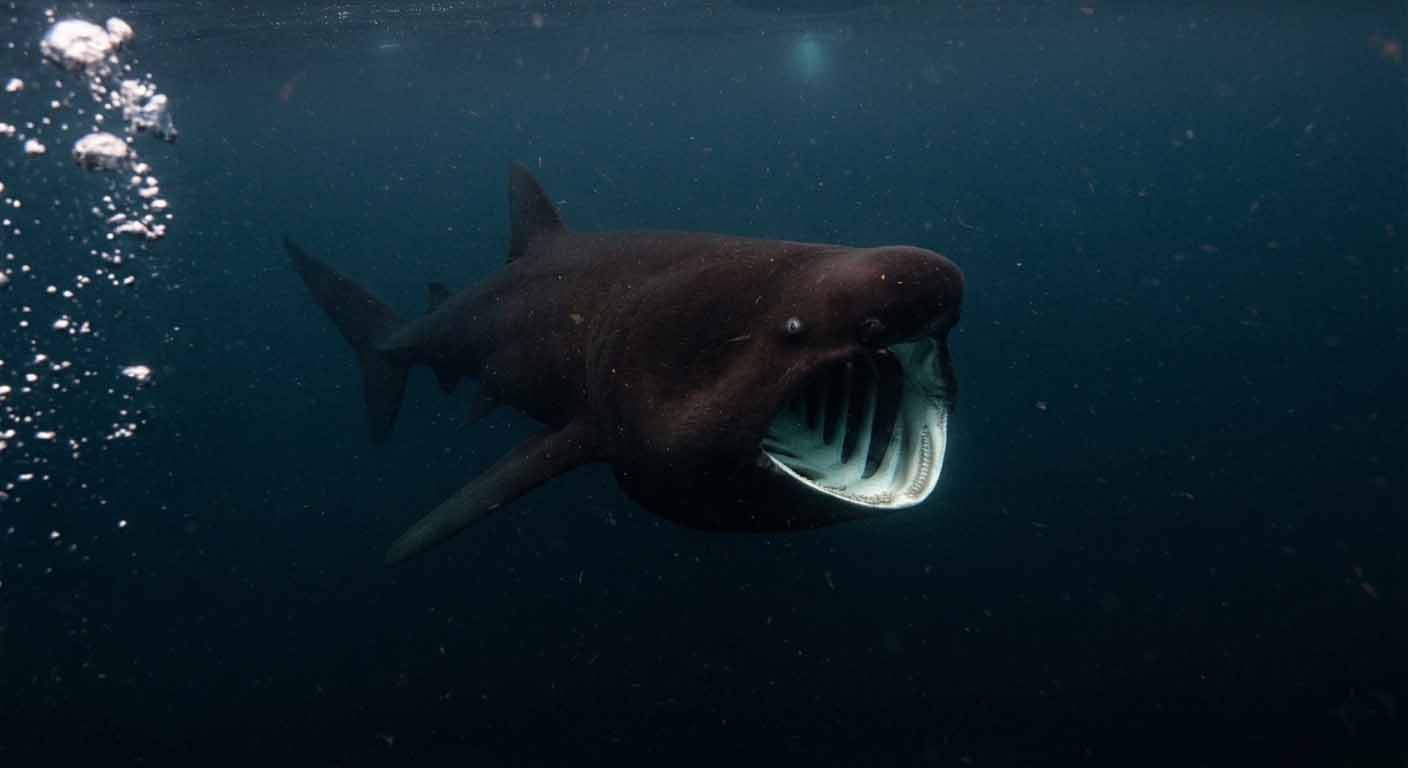
The megamouth shark is among the ocean’s rarest large sharks. Scientists call it Megachasma pelagios, meaning “giant mouth of the open sea.” The species remained unknown to science until 1976. A specimen became entangled near a research vessel off Hawaii. Since then, confirmed encounters have remained remarkably uncommon worldwide.
This shark belongs to a very exclusive feeding group. Only three living shark species are large filter feeders. They are the whale shark, basking shark, and megamouth shark. Instead of hunting seals or large fish, megamouths consume tiny drifting prey. Their diet includes krill, copepods, jelly-like animals, and other plankton.
Among rare sharks in the Philippines, the megamouth holds special importance. Several animals have appeared around the archipelago. Some were caught accidentally, stranded, or observed near fishing grounds. These Megachasma pelagios sightings suggest Philippine waters may form part of its wider range. However, researchers still know little about its movements or population size.
The Megamouth shark Agusan del Norte story adds another piece to that puzzle. Encounters near Carmen and Buenavista connect the species with Butuan Bay. These coastal waters may offer temporary feeding opportunities. They may also sit near routes between deep and shallow habitats. Every verified sighting gives scientists valuable evidence about the Megamouth Shark Mystery.
Inside the Strange Anatomy of a Deep-Sea Titan
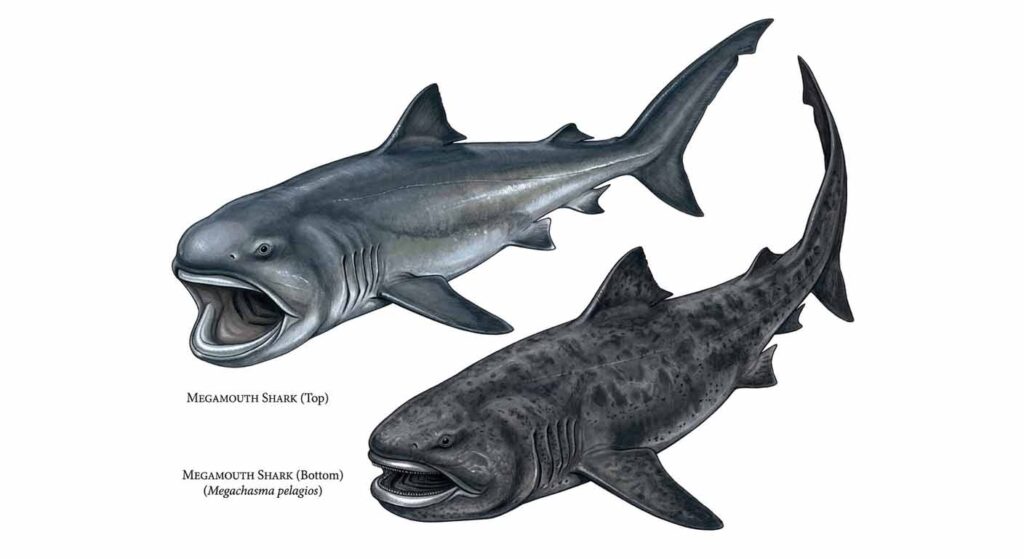
A megamouth’s head looks almost too large for its body. It is broad, rounded, and noticeably bulbous. The short snout ends above an enormous, flexible mouth. Adults can exceed five meters, while exceptional individuals may approach six meters or more. Despite that intimidating size, they pose little danger to people.
The mouth contains many rows of tiny teeth. These teeth are not designed for cutting large prey. Instead, the shark opens its jaws while moving through plankton-rich water. Water enters the mouth and passes across specialized filtering structures. Small organisms become trapped before being swallowed.
A pale band lines the upper jaw and surrounding mouth area. Early theories suggested this tissue might produce bioluminescent light. Such a glow could attract plankton in deep darkness. However, scientists have not conclusively proven that megamouths create their own light. The tissue may instead reflect faint available light, making the mouth more visible.
Its body is soft, dark above, and lighter underneath. The tail is long, while the fins appear relatively small. Megamouths are generally considered slow swimmers. Their muscles and skeleton suit an energy-saving lifestyle. Large eyes help them function in dim conditions, although smell and vibration detection may also guide feeding.
Historic Megamouth Encounters in Butuan Bay
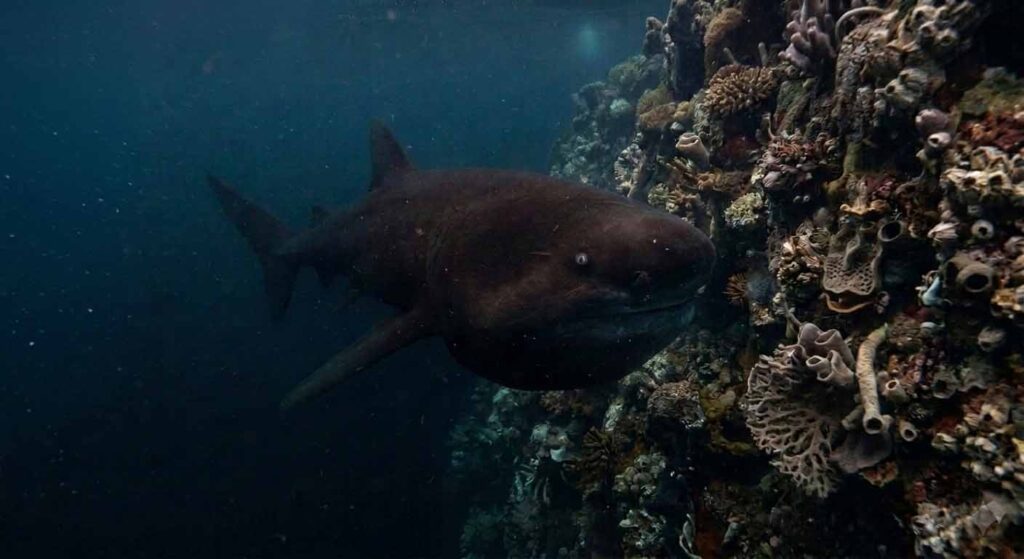
Philippine encounters began attracting international attention long before the Agusan del Norte event. A megamouth was caught near Donsol in 2009, for example. That specimen helped establish the country as an important location for sightings. Later records strengthened interest in Philippine deep-water ecosystems. Each encounter also exposed the dangers of accidental capture.
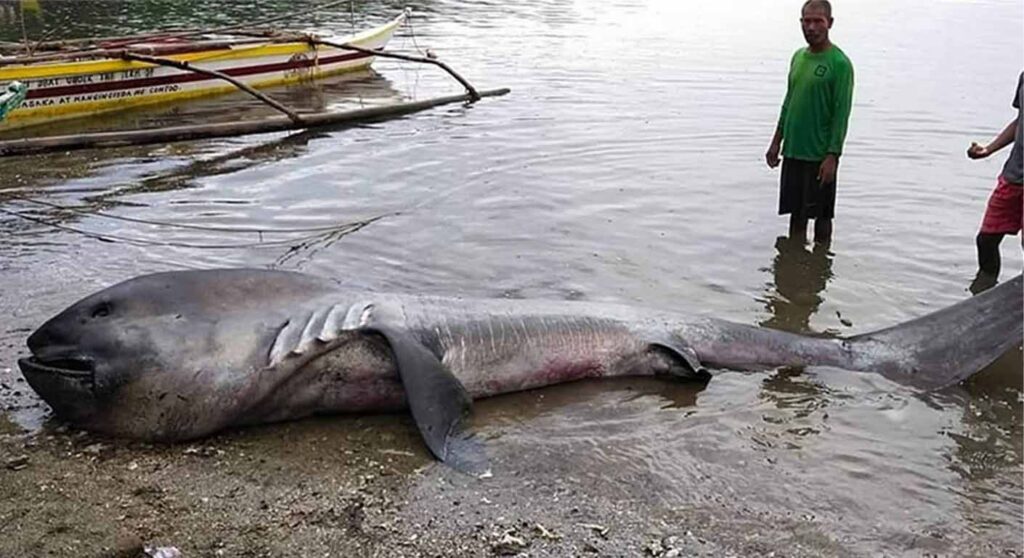
The most famous Butuan Bay event occurred in 2020. Fishermen encountered an enormous shark near the Carmen-Buenavista coastal border. Reports described the animal as roughly 20 feet, or about six meters, long. Its huge head and cavernous mouth identified it as a megamouth. For residents, the sight was extraordinary and unsettling.
The shark had become trapped or entangled near local fishing activity. Rather than kill the exhausted animal, fishermen worked to free it. Personnel associated with the Bureau of Fisheries and Aquatic Resources also assisted. The response required patience around a powerful wild animal. Eventually, the megamouth was released alive into deeper water.
That rescue became a landmark story for Butuan Bay marine life. It demonstrated how local knowledge can support scientific conservation. It also showed why rapid reporting matters. Photos, measurements, locations, and environmental details can strengthen global databases. Future encounters should prioritize human safety, careful documentation, and immediate contact with marine authorities.
Why Butuan Bay’s Deep Trenches Need Protection
Butuan Bay opens toward deeper waters along northern Mindanao. Its seafloor includes channels, slopes, and rapidly changing depths. Farther offshore, the seabed descends into deep marine environments. These features connect productive coastal habitats with darker oceanic zones. They can create pathways for animals moving through the water column.
Megamouth sharks are believed to perform daily vertical migrations. During daylight, they often remain in deeper, darker water. At night, plankton rises toward the surface to feed. The sharks may follow this moving food supply upward. Steep offshore drop-offs can bring deep-sea animals surprisingly close to coastal communities.
Currents may further concentrate nutrients and microscopic prey around the bay. River discharge can increase biological productivity, although excess sediment can cause harm. Seasonal winds and changing water temperatures may also shift plankton. These interacting conditions could explain occasional Megachasma pelagios sightings. More tagging and seafloor research are needed to test that possibility.
Protection should address both offshore and coastal threats. Gillnets, drifting lines, plastics, and discarded fishing gear can injure rare sharks. Pollution and poorly planned development may damage feeding habitats. Climate change can also alter plankton distribution and ocean chemistry. Because megamouth numbers remain unknown, every preventable death could carry global significance.
Conservation does not require excluding coastal communities. Fishers can become trained wildlife responders and citizen scientists. Safe reporting networks could connect villages with BFAR and research institutions. Carefully managed eco-tourism may also celebrate rare sharks in the Philippines. It must avoid chasing, feeding, touching, or crowding wild animals.
Responsible tourism can support boat operators, guides, homestays, and local educators. Interpretive centers could feature the 2020 rescue without disturbing future sharks. Visitors could also explore mangroves, reefs, birdlife, and local culture. This broader approach reduces pressure to guarantee megamouth encounters. Wildlife should never be treated as a predictable attraction.
Protecting the Caraga coastline benefits far more than one mysterious species. Healthy waters support fisheries, corals, marine mammals, and coastal livelihoods. They also preserve migration corridors that scientists barely understand. Strong enforcement, community monitoring, and international research partnerships are essential. Butuan Bay could become a model for deep-sea conservation led locally.
The megamouth shark reminds us that discovery is not finished. Beneath Agusan del Norte, darkness still hides extraordinary travelers and unknown habitats. The 2020 rescue proved that compassion can change an animal’s fate. By protecting Butuan Bay marine life, communities protect a living scientific frontier. The next great secret among Philippine sea creatures may already be rising from the deep.