Scuba Diving Butuan Bay with a Local Divemaster
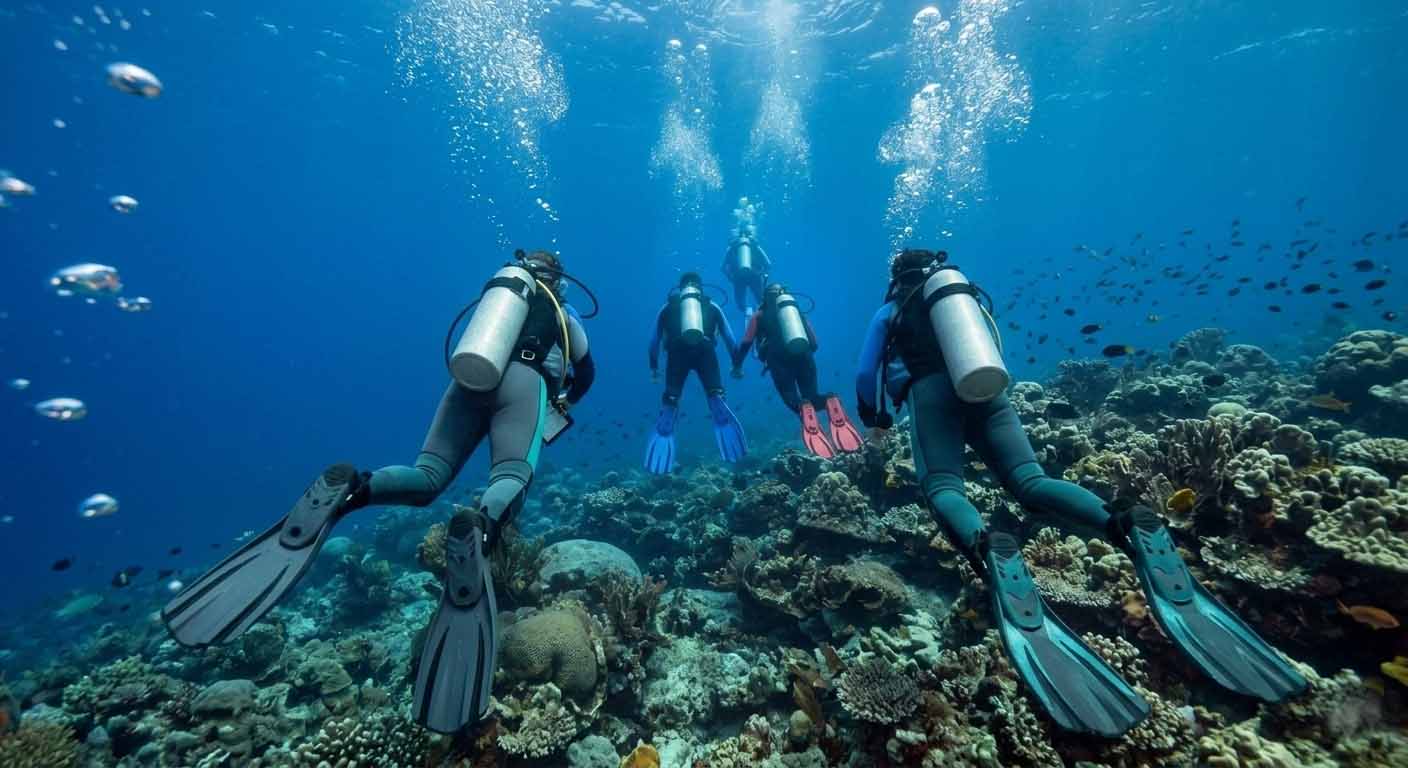
The Philippines has no shortage of famous dive destinations, but crowded boats and tightly scheduled commercial operations can dilute the sense of discovery. Along the Agusan del Norte coast, Butuan Bay offers a quieter alternative: uncrowded reefs, dramatic walls, current-swept points, and coastal communities with deep connections to the sea. For certified divers, photographers, and eco-tourists, diving Butuan Bay with a local divemaster turns an unfamiliar seascape into an intimate, carefully managed adventure. Scuba Diving Butuan Bay with a Local Divemaster.
Why Dive Butuan Bay with a Local Divemaster
A More Personal Way to Explore Mindanao
The strongest reason to choose diving Butuan Bay with a local divemaster is the quality of attention underwater. Local professionals understand how the bay changes from one tide cycle to the next, while the Butuan Bay Scuba team and safety philosophy provide useful background on the people responsible for planning each experience. Divers receive practical guidance shaped around their certification, comfort, air consumption, and photography goals.
Unlike high-volume destinations, Butuan Bay rarely feels like an underwater procession. A local guide can adjust the route, pace, and entry point rather than following a rigid circuit, complementing the broader regional information found in this guide to Mindanao scuba diving locations. That flexibility is especially valuable for photographers, experienced buddy teams, and divers returning after a long break.
Local expertise also adds context to what appears beneath the surface. International resources such as PADI’s Philippine diving information help travelers understand the country’s wider marine geography, while DIVE Magazine’s marine biodiversity coverage places tropical reef encounters within a global conservation framework. A divemaster who works these waters regularly connects that broad knowledge to the specific reef in front of you.
Core advantages of a locally guided dive include:
- Tide-aware departure times and entry points
- Small-group attention and realistic depth limits
- Better opportunities to find cryptic marine life
- Routes adapted to current direction and visibility
- Local stories about fishing grounds, reefs, and conservation
- More time to observe behavior without crowding wildlife
The result is not simply a guided swim around a reef. It is a dive shaped by daily conditions, individual ability, and local observation—three elements that can make a lesser-known destination more rewarding than a heavily marketed one. Scuba Diving Butuan Bay with a Local Divemaster.
Local Knowledge Reveals Butuan Bay’s Secrets
Reading the Reef Beyond the Obvious
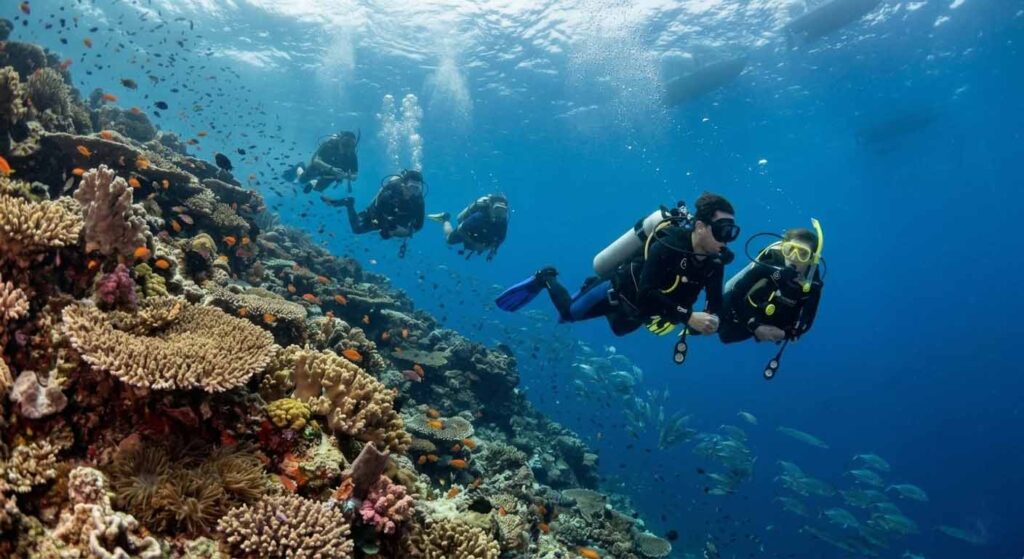
For underwater naturalists, diving Butuan Bay with a local divemaster can reveal animals that would otherwise disappear into the reef. Guides know which rubble patches shelter nudibranchs, where cleaner shrimps wait beneath overhangs, and which coral heads attract hunting reef fish. Recent discoveries and seasonal observations are often shared through the Butuan Bay Scuba article archive.
Current direction, sunlight, and feeding activity can transform the same site within hours. A reef that seems quiet in the morning may become animated on a rising tide, with schooling fish moving above the slope and small predators emerging from cover. Independent resources covering off-the-beaten-path Philippine diving are useful for destination research, but real-time local judgment determines what divers are likely to see that day.
Turtles are among the bay’s most memorable residents. The Tagcatong Marine Sanctuary turtle-diving guide describes green turtle encounters and nursery behavior, while this detailed profile of Butuan Bay’s hawksbill turtles explains how reef food sources influence their local presence. A responsible guide recognizes resting, feeding, and surfacing behavior and keeps the group at a respectful distance.
Useful underwater highlights to watch for include:
- Nudibranchs grazing on sponges and hydroids
- Commensal shrimps hidden in anemones or bubble coral
- Juvenile reef fish sheltering in shallow nursery habitat
- Hawksbill and green turtles feeding along reef edges
- Schooling fusiliers gathering where currents deliver plankton
- Small hunting fish using coral structure as cover
Reef health cannot be judged from one photograph or a single dive. Long-form accounts such as independent observations of Philippine reef conditions can add another perspective, while local guides provide continuity by watching the same habitats through different seasons. Their observations help photographers find meaningful subjects without manipulating animals or damaging coral.
Safely Navigating Walls, Currents, and Reefs
Briefings Built Around Real Conditions
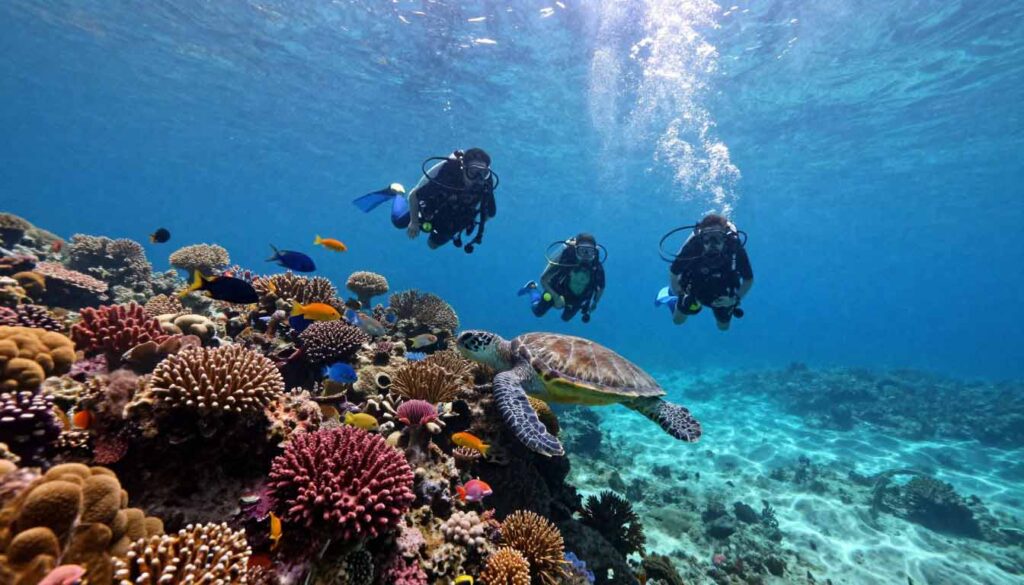
Safety is where diving Butuan Bay with a local divemaster makes the greatest practical difference. Walls and current-exposed points demand more than basic navigation: divers must maintain buoyancy without relying on the bottom, monitor depth carefully, and stay positioned where the guide can manage the group. A thorough briefing should cover entry technique, planned depth, current direction, separation procedures, ascent strategy, and surface signaling. Scuba Diving Butuan Bay with a Local Divemaster.
Balate Wall introduces divers to steep vertical terrain where the reef may fall beyond recreational limits. The Balate Wall dive profile explains the character of this dramatic drop-off, while a local guide selects the safest ledge or depth band for the group. Divers should avoid following interesting subjects downward and check computers more frequently than they might on a shallow coral garden.
Bolihon Point presents a different challenge because moving water can define the entire dive. The Bolihon Point current-diving guide is particularly relevant to experienced divers interested in drift-style profiles. Good buddy positioning means remaining level with—not several metres above or below—the team, preserving visual contact and reducing the risk of separation.
Pre-trip tools such as PADI’s dive-site mapping resources can help visitors understand regional geography, and historical Philippine diving logs offer additional context on earlier exploration. Neither replaces the morning briefing, however, because currents and visibility can change rapidly. Divers should carry a surface marker buoy, maintain a conservative gas reserve, confirm whether reef hooks are prohibited, and be prepared to abort a dive that exceeds their training.
Planning Your Butuan Bay Scuba Adventure
Seasons, Transport, and Practical Logistics
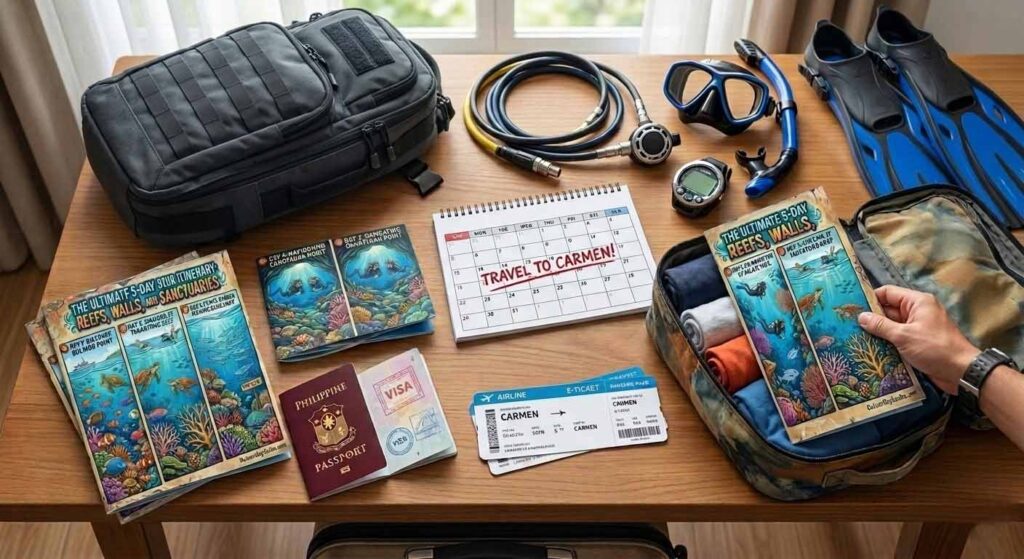
Most trips begin in Butuan City, which is served by Bancasi Airport and has hotels, restaurants, cash machines, and transport services. From the city, the road journey toward Carmen and the coastal departure area generally takes around 90 minutes to two hours, depending on traffic, weather, and the exact meeting point. Travelers should confirm boat departure times before reserving accommodation. Scuba Diving Butuan Bay with a Local Divemaster
Conditions vary throughout the year, and no month guarantees flat seas or perfect visibility. ScubaGo’s seasonality and trip-planning resources can support broader research, while SSI information on diving conditions and visibility helps visitors interpret environmental factors. Local scheduling remains essential because rainfall, river runoff, wind, and tidal movement can create short-term changes within the bay.
| Travel period | Typical water temperature | Approximate visibility | General considerations |
|---|---|---|---|
| December–February | 27–28°C | 10–20 m | Cooler water and potentially breezier surface conditions |
| March–May | 28–30°C | 15–25 m | Warmer weather and often favorable trip windows |
| June–August | 28–29°C | 10–20 m | Conditions can vary with rain and wind |
| September–November | 28–29°C | 8–18 m | Monitor runoff, storms, and local forecasts |
These figures are planning estimates rather than guarantees. Photographers may prefer a full 3 mm suit for longer dives, while divers prone to feeling cold should consider additional thermal protection.
Accommodation can be arranged in Butuan City for convenience or closer to Carmen when early departures are planned. Before booking flights, contact the local dive operation to organize your trip and discuss certification level, rental equipment, tanks, meals, transfers, and suitable sites. Bring a certification card, dive computer, surface marker buoy, reef-safe sun protection, and proof of appropriate travel or diving insurance.
Travelers comparing destinations may also find this Mindanao versus Mindoro scuba guide helpful. Mindoro offers established tourism infrastructure, whereas Butuan Bay appeals to divers seeking a quieter and more locally grounded experience. Allowing several diving days gives the team flexibility to choose sites around tides rather than forcing a specific itinerary into one narrow weather window.
Protecting Reefs Through Local Eco-Tourism
How Every Dive Can Support Conservation
Hiring local guides keeps a greater share of tourism income within coastal communities. It supports skilled employment for divemasters, boat crews, drivers, equipment staff, cooks, and accommodation providers. When healthy reefs create reliable livelihoods, communities gain another direct reason to protect marine habitats from destructive practices. Scuba Diving Butuan Bay with a Local Divemaster.
Butuan Bay’s reefs should not be viewed as isolated attractions. Shallow coral gardens, seagrass areas, mangrove edges, deeper slopes, and offshore walls form connected habitats used by juvenile fish, turtles, and invertebrates at different life stages. Protecting a nursery area therefore contributes to the health of dive sites far beyond the immediate shoreline.
Responsible divers also influence how tourism develops. Maintain neutral buoyancy, secure gauges and alternate air sources, avoid touching coral, never chase turtles, and do not reposition animals for photographs. Comparisons with established Philippine destinations, including the experiences presented by marine tourism operators in major biodiversity centers, show why thoughtful planning is important before visitor numbers increase.
The most valuable souvenir is an honest record of a healthy reef, not a shell or an animal forced into position. Divers can share photographs responsibly, report entangled wildlife, join cleanups when available, and support operators that limit group sizes. These choices help ensure that tourism rewards stewardship rather than putting additional pressure on fragile coastal ecosystems.
Butuan Bay offers the rare combination of dramatic terrain, elusive marine life, small-group exploration, and meaningful contact with a coastal community. For divers who value safety, authentic discovery, and reef-conscious travel, diving Butuan Bay with a local divemaster provides a richer perspective than simply arriving with a generic site map. Come prepared, remain flexible, and let local knowledge reveal one of Mindanao’s quieter underwater frontiers. Scuba Diving Butuan Bay with a Local Divemaster.