
The Best Time to Dive Butuan Bay: Navigating Seasons, Visibility, and Monsoons
Planning around the dive Butuan Bay seasons can transform a good trip into an exceptional underwater adventure. This broad Mindanao bay combines steep walls, coral slopes, caves, and current-swept points. Balete Wall drops dramatically into blue water, while Punta Diwata offers thrilling deep profiles. However, weather and sea conditions can change the character of both sites.
Butuan Bay lies along the northern coast of Agusan del Norte in the Philippines. Most dive boats depart from communities around Carmen, west of Butuan City. The area remains quieter than many famous Philippine dive hubs. Consequently, visiting divers often enjoy uncrowded reefs and highly personal boat trips.
Seasonal timing matters because rainfall can influence surface conditions and underwater visibility. Wind direction also affects exposed crossings, entry points, and current strength. Before choosing sites, explore the best dive sites in Butuan Bay. You can then match your experience level with likely seasonal conditions.
Butuan Bay also rewards divers who keep accurate records and compare previous trips. Platforms featuring global dive travel logs can help track temperatures, visibility, and equipment choices. Nevertheless, local knowledge remains more valuable than broad regional averages. Conditions may differ between nearby reefs on the same morning.
How Philippine Monsoons Shape Butuan Bay Diving
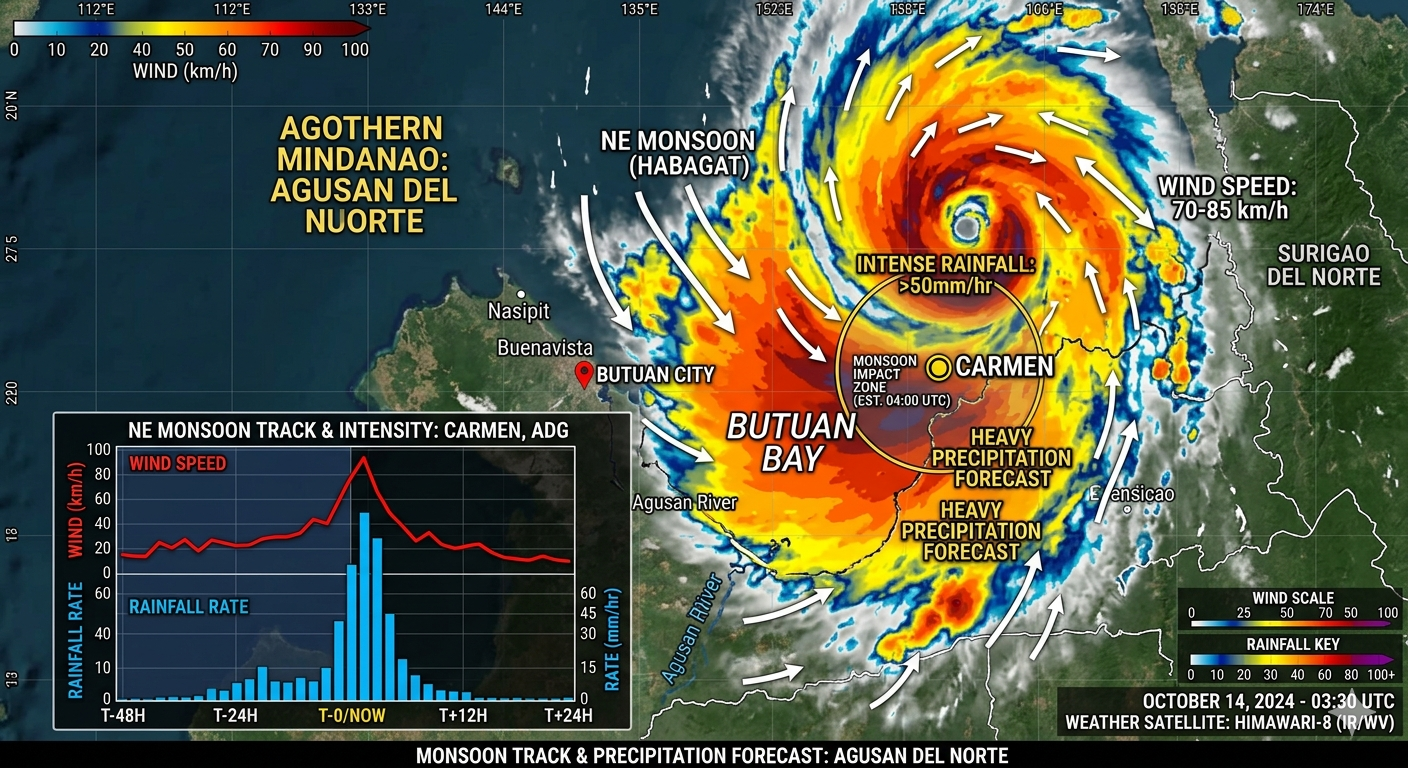
The Philippines has two principal monsoon systems: Amihan and Habagat. Amihan is the northeast monsoon, which usually develops between November and March. It often brings cooler air and persistent winds to exposed Philippine coastlines. However, northern Mindanao does not always follow patterns seen around Luzon or the Visayas.
Habagat is the southwest monsoon, usually strongest from June through October. It often carries warm, moist air and increases the chance of heavy rain. In Butuan Bay, its effects depend on local wind direction and passing weather systems. Therefore, the dive Butuan Bay seasons should be treated as flexible planning windows.
Agusan del Norte can receive rain throughout the year, with wetter periods commonly occurring from November into January. Divers should review PAGASA climate monitoring and compare forecasts with historical weather data. Still, forecasts for Butuan City may not perfectly describe conditions near Carmen. Coastal hills and localized storms can create very different weather offshore.
Mindanao sits farther south than the country’s most frequently visited islands. As a result, it is less exposed to some direct typhoon tracks. It can still experience swells, rain bands, and strong winds from distant systems. Travelers exploring other scuba diving locations on Mindanao Island should expect similar local variations. The Lonely Planet Philippines guide also offers useful regional travel context.
Peak Months for Calm Seas and Clear Visibility
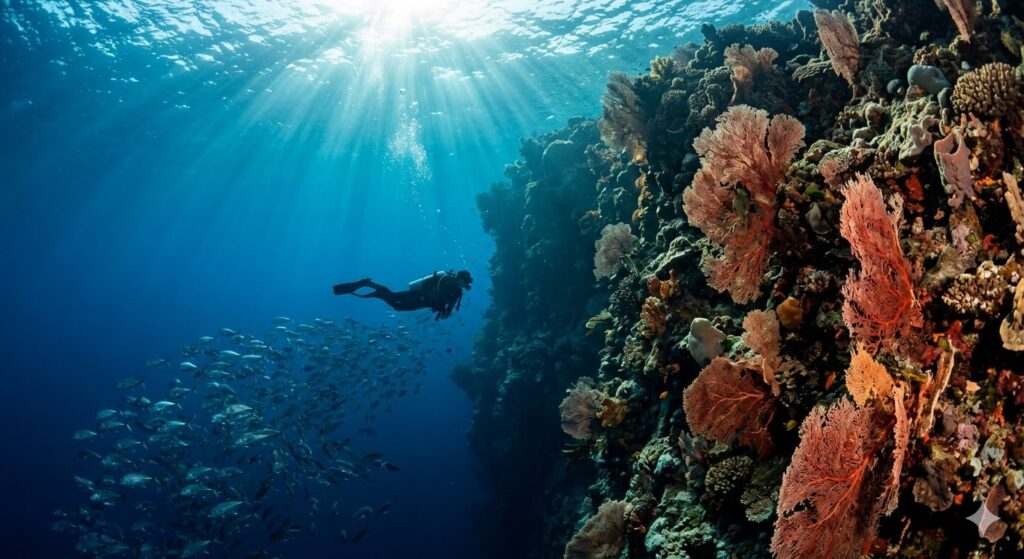
For many divers, March through May offers the strongest balance of calm water and clearer visibility. April is often especially appealing because rainfall may be lower and daylight remains reliable. May can also produce excellent mornings, although afternoon heat may trigger thunderstorms. Early departures are therefore recommended during the warmer months.
February can be a rewarding transition month when Amihan begins to weaken. Some days remain breezy, yet sheltered sites may already provide comfortable boat conditions. June can also deliver surprisingly good dives before Habagat becomes more active. Thus, the ideal dive Butuan Bay seasons extend beyond one rigid calendar period.
March, April, and early May are the safest first choices for international travelers with fixed schedules. These months usually improve access to walls, offshore slopes, and deeper drop-offs. Divers planning to scuba dive near Butuan City should still reserve several days. A longer stay creates alternatives if wind temporarily closes an exposed site.
October through January is generally less predictable because rainfall and runoff may increase. However, excellent diving remains possible between weather systems. Reports from Scuba Diving Magazine can help visitors understand broader tropical diving practices. Meanwhile, firsthand TripAdvisor travel reviews may reveal recent transport or accommodation experiences. For destination details, consult a dedicated guide to scuba diving in Carmen.
Seasonal Visibility and Water Temperatures
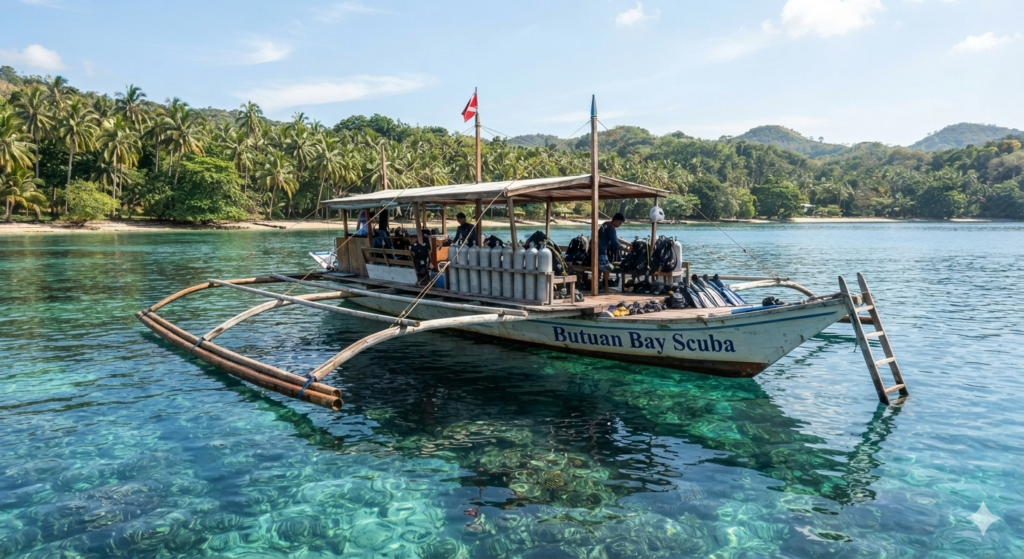
During favorable periods, visibility may reach 20 to 30 meters at offshore walls and points. March through May often provides the most consistent chance of blue water. February and June commonly deliver 15 to 25 meters, depending on rainfall. Even then, plankton can occasionally reduce clarity while attracting more marine life.
From July through October, visibility often ranges between 10 and 20 meters. Short periods of heavy rain may lower it further near river-influenced areas. November through January can produce similar ranges, although conditions vary widely. Consequently, understanding dive Butuan Bay seasons requires attention to recent rainfall, not only the month.
Water temperatures generally remain tropical throughout the year. Divers can often expect about 27°C to 30°C, with cooler readings during prolonged rain or deeper dives. The NOAA sea surface temperatures resource provides useful regional ocean data. However, temperatures below the thermocline may feel several degrees cooler than the surface.
A 3-millimeter full wetsuit suits most recreational dives around Butuan Bay. Warm-water divers may prefer a shorty, while cold-sensitive guests should bring a hooded vest. Equipment choices should also follow PADI training standards and personal certification limits. Before departure, review a Philippine boat diving trip checklist for exposure protection, safety gear, and spares.
Weather Effects at Butuan Bay’s Top Dive Sites
Balete Wall benefits greatly from calm surface conditions and clear offshore water. During settled months, divers can descend beside the wall and watch the blue for passing pelagic fish. After heavy rain, the upper reef may appear hazier. Nevertheless, deeper sections can remain clearer when runoff stays near the surface.
Punta Diwata is known for deeper terrain and dramatic underwater scenery. Wind-driven chop can complicate entries, exits, and boat positioning around the drop-off. Therefore, advanced divers should visit during stable mornings with an experienced crew. The better dive Butuan Bay seasons also support safer gas planning and more relaxed surface intervals.
Bolihon Point can develop stronger currents, particularly around tidal changes. Seasonal wind may push surface water differently from the current below. This combination can create demanding descents or separate divers from planned exit points. As a result, negative entries, surface marker buoys, and close buddy contact may be necessary.
Weather can also affect turtle encounters on shallow feeding reefs. Sediment may reduce visibility, yet turtles still visit familiar resting and grazing areas. Learn more about hawksbill turtles in Butuan Bay before entering their habitat. Furthermore, check regional marine traffic conditions when planning surface swims or offshore ascents.
Practical Tips for Planning Your Dive Trip

Book at least three diving days whenever possible. This schedule gives operators room to adjust sites around wind, rain, and current. Five days provide even greater flexibility for walls, reefs, and deeper profiles. In addition, build a non-diving buffer before your return flight.
Choose accommodation close to the departure point rather than relying only on Butuan City hotels. A guide to lodging in Carmen Agusan del Norte can reduce early-morning transfer time. Ask whether the property provides equipment drying areas and secure storage. Also, confirm transport arrangements before arriving after dark.
Pack for both tropical heat and sudden rain. Bring reef-safe sun protection, a light rain jacket, dry bags, and seasickness medication. Divers comparing the dive Butuan Bay seasons should also consider personal comfort during boat rides. Furthermore, save digital copies of certification cards, insurance documents, and emergency contacts.
Contact the dive operator several days before travel. Ask about rainfall, visibility, currents, compressor access, rental equipment, and minimum group sizes. Do not rely entirely on a long-range forecast. Local crews observe daily wind shifts and can recommend sheltered alternatives immediately.
March through May usually provides the best overall window for diving Butuan Bay. These months often combine calmer seas, warmer days, and stronger underwater visibility. February and June are useful shoulder periods with fewer guarantees. However, excellent dives can occur during any month when local weather settles.
Rainfall matters because rivers and coastal drainage can carry sediment into the bay. Wind matters because it controls waves, boat comfort, and access to exposed drop-offs. Tides also influence currents at points and walls. Therefore, the calendar should guide decisions rather than dictate them.
Travelers comparing Mindanao vs Mindoro scuba diving will find Butuan Bay quieter and less commercialized. That sense of exploration is part of its appeal. Yet remote-style diving requires better preparation and flexible expectations. Divers should carry essential spares and respect conservative depth limits.
Ultimately, successful dive Butuan Bay seasons planning combines climate research with current local advice. Contact a trusted local divemaster before confirming exposed or advanced sites. Check marine conditions again shortly before departure. Then arrive ready for towering walls, turtle encounters, and memorable Mindanao diving.