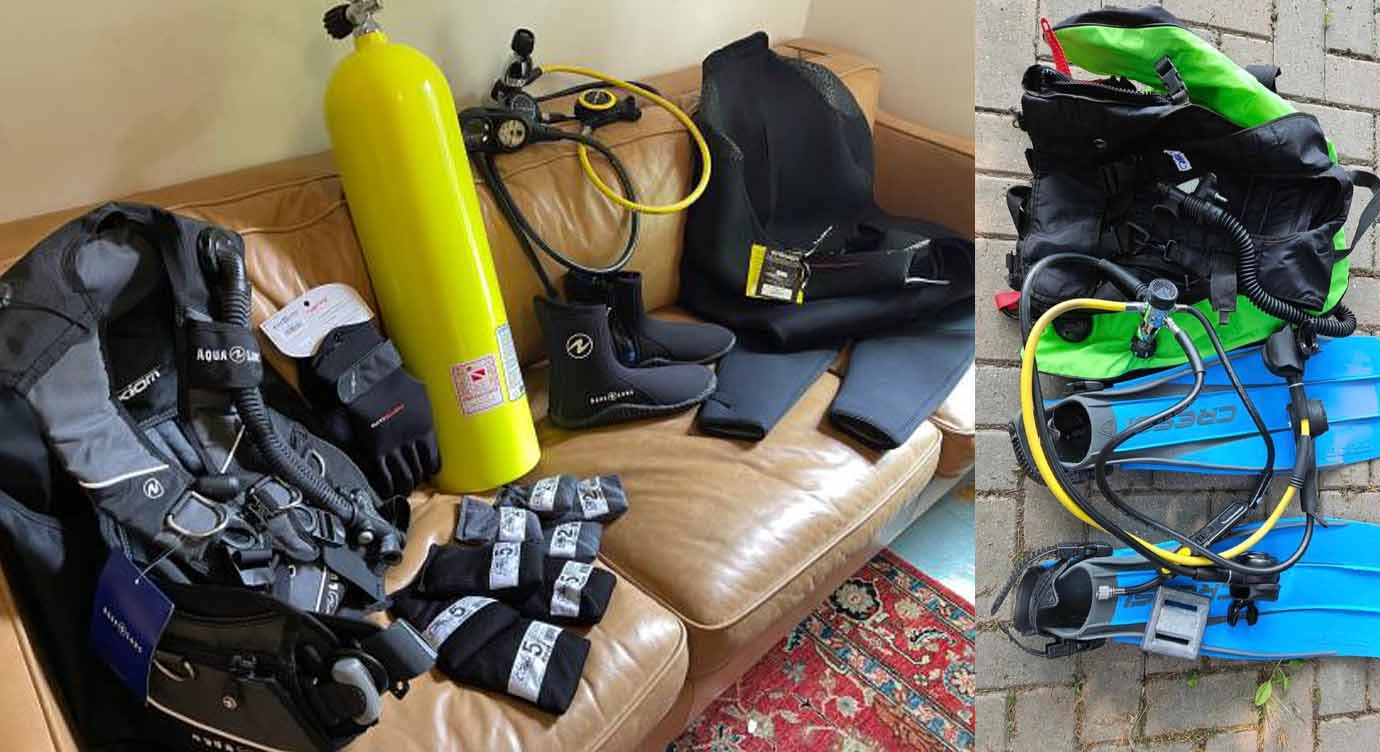

Buying Used Scuba Gear vs New: A Diver’s Guide
Yoast Meta Description: Buying used scuba gear can lower your costs, but life-support equipment demands careful inspection and realistic servicing estimates. This practical guide explains how to set a budget, check regulators, BCDs, cylinders, computers, masks, fins, and exposure suits, and decide when new equipment offers better value. Learn which items usually make safe secondhand purchases, which warning signs should end a sale, and why service records matter. You will also find advice for warm-water diving in Butuan Bay, including fit, local support, spare parts, valve compatibility, and post-purchase testing. Whether you are assembling your first personal kit or replacing an older setup, this article helps you compare true ownership costs instead of chasing the lowest price. Use the inspection steps, ask smarter seller questions, and plan a controlled checkout dive before your next trip. Read the full guide and choose dependable scuba equipment with confidence today. Protect your budget, your comfort, and your safety before you buy.
Scuba Gear: Should You Buy New or Used?
Deciding between new and secondhand dive equipment is not only about the price tag. Buying used scuba gear can stretch your budget, but a cheap regulator or BCD may become expensive after servicing. Fit, maintenance history, parts availability, and local diving conditions all matter. Before paying a seller, compare the complete cost and decide how much uncertainty you will accept.
Set Your Budget and Prioritize Essential Gear
New Versus Pre-Owned Scuba Equipment Priorities
Start with a firm spending limit, then divide it between personal-fit items and life-support equipment. The PADI overview of scuba equipment provides a useful breakdown of a complete recreational kit. However, you do not need to own everything immediately. Divers visiting Butuan Bay Scuba can rent major equipment while building a personal setup gradually.
Prioritize a well-fitting mask, fins, exposure protection, and dive computer. These items affect comfort on every dive, so poor fit can spoil an otherwise good purchase. The BSAC introduction to scuba equipment also explains the role of each component. Meanwhile, a guide to warm-water diving in the Philippines can help you avoid buying an unnecessarily thick wetsuit.
Next, budget for costs that do not appear in the seller’s price. A regulator may need new hoses, a complete service, or an adapter. Likewise, a cylinder may require inspection or hydrostatic testing. Check the local standard before choosing between fittings, and review this practical DIN and yoke valve comparison before committing to a regulator.
Finally, compare the used price with the cost of a serviced, dive-ready item. Buying used scuba gear makes little financial sense when repairs bring the total close to the new retail price. Therefore, request a written servicing estimate before closing the deal. Keep part of your budget for replacement mouthpieces, batteries, straps, clips, and other small parts.
Buying Used Scuba Gear: What to Inspect
Begin with the regulator’s first stage, second stages, hoses, mouthpiece, and pressure gauge. Look for green corrosion, damaged threads, cracked hoses, missing dust caps, or salt deposits. Even if it breathes normally on land, arrange a professional bench test. Divers Alert Network equipment maintenance advice supports regular care rather than waiting for an underwater failure.
Next, inflate the BCD fully and leave it for at least thirty minutes. Listen for leaks around the inflator, dump valves, seams, and bladder. Also test every buckle, zipper, weight pocket, and pull cord. Be especially cautious with unknown brands because unbranded regulator and BCD risks include poor parts support and uncertain manufacturing standards.
Treat cylinders as a separate purchase decision. Verify the serial number, working pressure, manufacturing date, hydrostatic test stamp, and visual inspection record. In the United States, the PHMSA pressure-vessel guidance explains regulated cylinder requirements. Rules vary by country, though, so ask the filling station that will actually handle your tank.
Finally, check the seller’s identity, receipts, service invoices, and reason for selling. Search the model through the United States Consumer Product Safety Commission recall database, even if the equipment looks new. When buying used scuba gear, walk away from removed serial numbers or vague maintenance claims. Then use a detailed boat-diving equipment checklist to identify missing accessories.
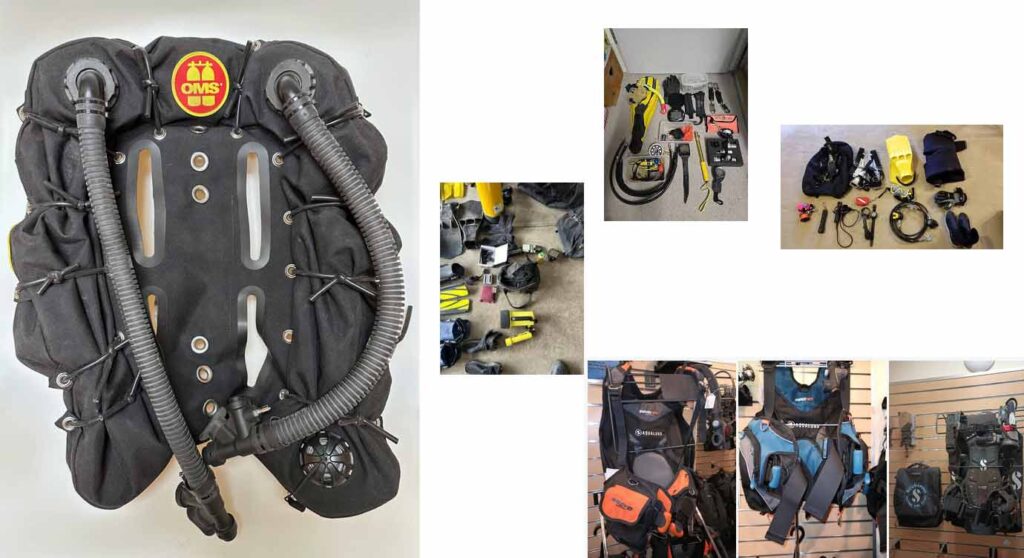
Which Scuba Items Are Safest to Buy Used
Buying used scuba gear is generally safest when the item has a simple design and does not control breathing or buoyancy. Lead weights, weight belts, mesh bags, tank handles, clips, and dive lights are reasonable candidates. Still, inspect buckles, battery compartments, seals, and attachment points. Small defects can cause lost equipment or inconvenience underwater.
Masks and fins can also offer good secondhand value. However, confirm that the mask seals against your face without tightening the strap. Check the skirt for yellowing, tears, stiffness, and separation from the frame. With fins, bend the foot pockets and inspect straps, buckles, rails, and blade joints for hidden cracks.
Exposure suits require a closer fit check. A wetsuit that has compressed with age may provide less warmth and buoyancy than its thickness suggests. Therefore, inspect the knees, seat, zipper, seams, cuffs, and neck seal. Avoid suits with a strong mildew smell, brittle neoprene, extensive glue repairs, or a fit that restricts breathing.
Used cameras, reels, slates, and surface marker buoys are often practical purchases when tested first. Meanwhile, consider the type of diving you plan to do. Review the Butuan Bay dive-site options and the best seasons for diving Butuan Bay before selecting fins, exposure protection, lights, or current-handling accessories.
When New Scuba Equipment Is Worth the Cost
A new regulator is often worth the higher price, especially for a first-time owner. You receive a known history, current specifications, a warranty, and access to compatible parts. In addition, an authorized dealer can configure the hoses and first stage correctly. The ISO diving standards committee shows why recognized testing and manufacturing standards matter for underwater equipment.
New BCDs also make sense when fit and weight integration are priorities. Try the BCD while wearing your planned exposure suit, then check whether you can reach every release and dump valve. For local guidance, a Butuan Bay divemaster can explain practical equipment needs for walls, reefs, boat entries, and changing currents.
Consider buying a new dive computer if an older model lacks current support or battery service. You should clearly understand its display, ascent warnings, gas settings, and decompression information. Training standards from the World Recreational Scuba Training Council offer useful context for safe recreational practices. Also, never share one computer between divers during separate profiles.
Ultimately, new equipment is worth the cost when warranty support and dependable parts outweigh the discount. This applies to technical configurations, children’s equipment, unusual sizes, and items used frequently. If buying used scuba gear creates doubts about fit or maintenance, choose new. The European Underwater Federation also provides a helpful reference point for recognized training and quality systems.
Make the Final Choice and Plan for Servicing
Create a comparison sheet before making your decision. Record the asking price, age, original receipt, service history, replacement parts, inspection costs, and warranty status. Then compare that total with the price of a new item from an authorized dealer. A structured comparison keeps an attractive discount from hiding major repair costs.
After purchase, send regulators, BCD inflators, cylinders, and replaceable-battery computers to qualified technicians. Do not rely on a seller’s claim that equipment was “recently serviced” without documentation. Instead, ask which parts were replaced and whether the technician performed pressure or leak tests. Keep copies of every invoice for future servicing or resale.
Next, test the assembled setup in a swimming pool or shallow, protected water. Practice breathing, inflation, deflation, weight release, mask clearing, and alternate-air use. Stop if anything leaks, sticks, free-flows, or feels difficult to operate. You can also contact Butuan Bay Scuba to discuss local diving, equipment logistics, and supervised checkout options.
Finally, rinse and dry every item after use, then store it away from direct sun, fuel, heat, and ozone sources. Retire equipment that no longer passes inspection, and dispose of it responsibly rather than reselling a known hazard. The NOAA Marine Debris Program explains why responsible disposal matters. With careful inspection and planned servicing, buying used scuba gear can remain economical without treating safety as an afterthought.
New and used scuba equipment can both provide good value, but they suit different buyers. Simple accessories often make sensible secondhand purchases, while regulators, cylinders, BCDs, and computers require stronger evidence of proper care. Calculate the full ownership cost, insist on professional servicing, and complete a controlled checkout dive. A low price is useful only when the equipment fits, functions correctly, and has reliable support.
Tags: Scuba Gear, Used Scuba Equipment, New Scuba Equipment, Scuba Equipment Maintenance, Diving Safety, Butuan Bay Diving, Philippines Scuba Diving, Regulator Servicing, Scuba Gear Inspection