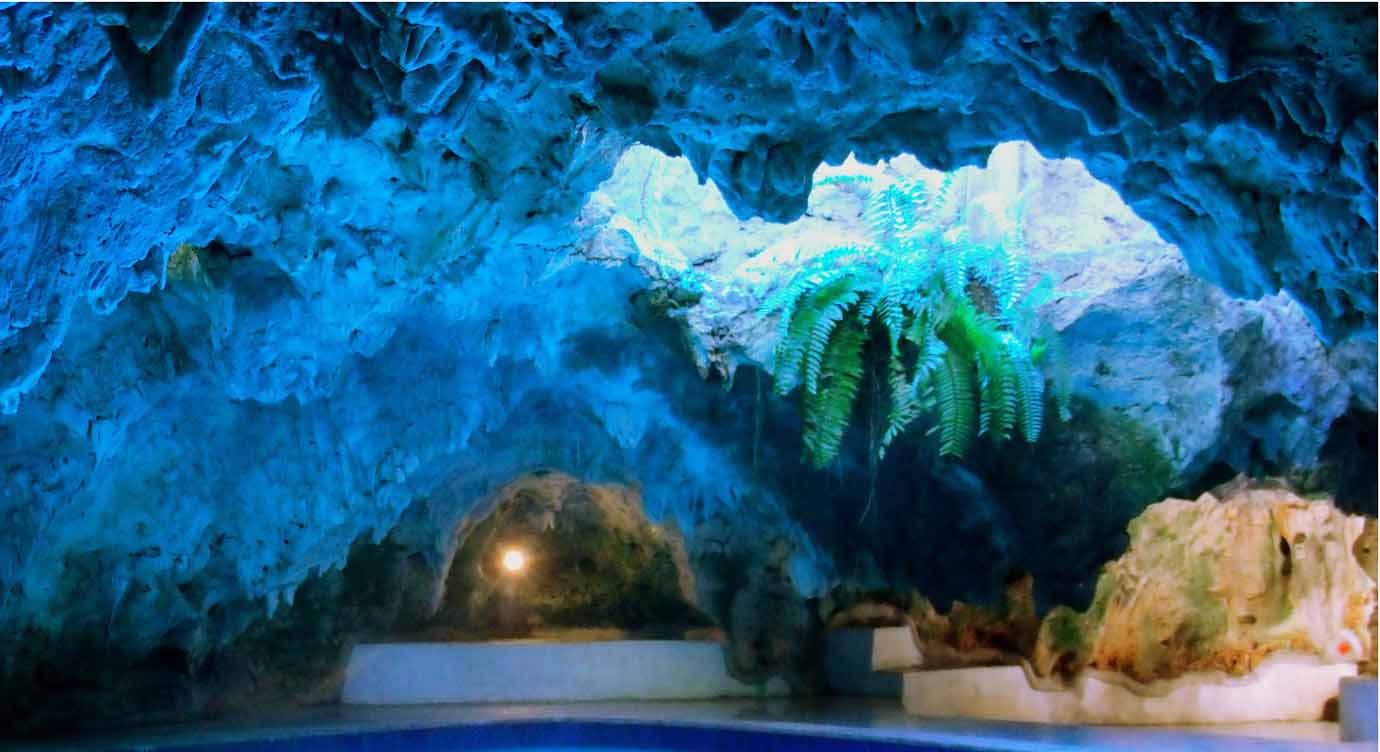

Punta Diwata Cave offers a rugged surface-interval trek for scuba divers. Plan coastal access, safety gear, and your return—start now!
Punta Diwata Cave gives scuba divers a practical land-based adventure while waiting to fly after a Butuan Bay trip. Many divers use a conservative 24-hour no-fly window, especially after repetitive or multi-day diving. Check the Divers Alert Network surface interval protocols against your profiles and travel plans. Then use the downtime to explore the coast without adding altitude, breath-hold diving, or unnecessary physical strain. This trip combines limestone formations, sea cliffs, rough trails, and salt exposure, so plan it with the same care you would give a remote boat dive.
Plan Your Punta Diwata Cave Surface Interval
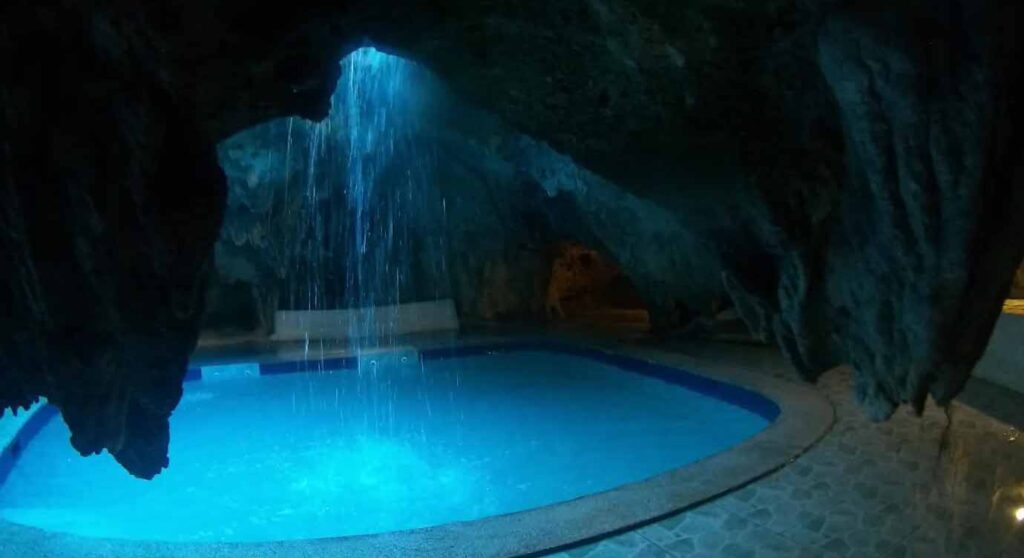
Punta Diwata Cave Timing and Local Checks
Schedule the outing only after reviewing your dive computer and how you feel. Although the route stays near sea level, hard post-dive exercise may not suit everyone. Therefore, keep the pace easy, drink water, and avoid carrying an overloaded pack. Anyone with unusual fatigue, joint pain, tingling, or breathing trouble should stop and seek medical advice.
For Punta Diwata Cave, local conditions matter as much as your personal schedule. Ask about tides, recent rain, trail access, and wave action before leaving. Also, read recent Punta Diwata Cave traveler reviews for practical observations. Treat visitor comments as leads rather than official safety reports, since coastal conditions can change within hours.
An early start usually provides cooler walking conditions and more time to handle delays. However, do not rush there after a late night dive. Eat a proper breakfast, carry drinking water, and protect exposed skin from the sun. If your group feels tired from several dive days, choose a short viewpoint walk instead of completing the full coastal route.
Book accommodation that leaves enough time for rest on both sides of the outing. The guide to lodging near Carmen dive operations can help reduce road time. Meanwhile, tell your host or dive operator where you are going and when you expect to return. Mobile reception may weaken along isolated sections of coast.
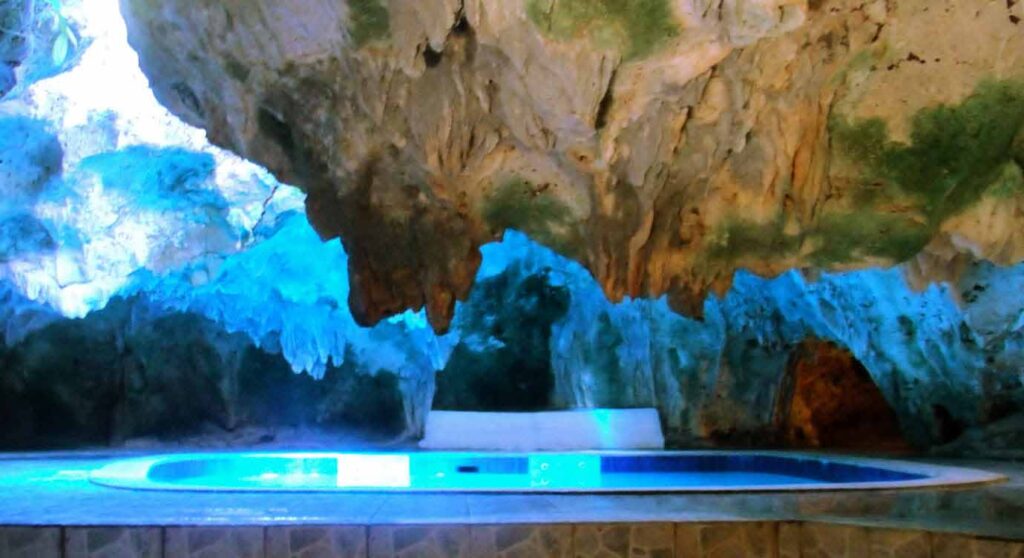
Reaching the Coast and Preparing for the Trek
Road and trail conditions can shift after heavy rain, so confirm the current approach with a local contact. Use the Punta Diwata route directions map for general navigation, but do not assume every mapped road remains passable. A local driver may know where larger vehicles should stop and whether motorcycles can manage the final section.
Before departure, speak with the Butuan Bay Scuba contact team about current access and local transport. Operators often receive recent reports from boat crews, residents, and visiting divers. Still, access permission may depend on the landowner or community, so ask before crossing private property or using an informal path.
Wear trail shoes or boots with firm tread. Thin beach sandals offer poor grip on wet limestone, loose gravel, and muddy slopes. In addition, pack a hat, reef-safe sun protection, insect repellent, and at least two liters of water per person. A compact dry bag will protect phones, documents, and first-aid items from spray.
Visitors who are planning a wider trip can compare the area with other Mindanao scuba diving locations. For closer planning, the guide to scuba diving around Carmen explains the local setting. This context helps travelers combine road transfers, surface intervals, lodging, and boat schedules without wasting a full day.
Exploring Sea Caves, Cliffs, and Coastal Trails
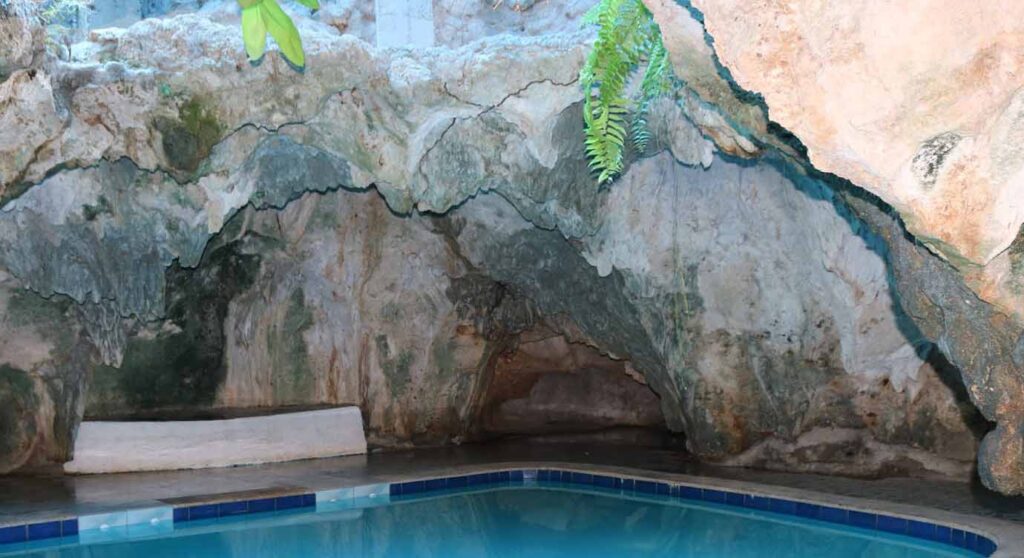
At Punta Diwata Cave, limestone chambers and wave-cut openings create interesting walking and photography stops. However, a sea cave is still an overhead environment. Do not enter flooded passages, climb above breaking waves, or continue beyond daylight without trained local support. A dry-looking shelf can turn slippery after one strong surge.
The same coastline also borders the Punta Diwata reefs and caves, which helps explain its rugged shape. Above water, you may see exposed rock, narrow ledges, and surge channels. Below water, similar formations can produce abrupt depth changes, current acceleration, and awkward boat approaches. That connection makes the walk useful for divers studying local geography.
Keep several meters back from cliff edges, especially where plants hide cracks or undercut rock. Because limestone can break without warning, never test a ledge by jumping on it. Meanwhile, watch the tide line and leave enclosed areas before rising water limits the exit. A helmet is sensible if a local guide expects low ceilings or loose stone.
Photography works best when one person watches the surroundings while another handles the camera. Salt spray quickly coats lenses, screens, and metal mounts, so carry a soft cloth and fresh water. You can also review other Butuan Bay dive sites before the walk. That preparation helps you identify headlands, reef entries, and sheltered boat areas from shore.
Choosing Reliable Gear for Rugged Conditions
This coast is hard on equipment. Salt reaches zippers, buckles, camera housings, tools, and exposed metal even when you never enter the water. Therefore, use dependable dry bags and corrosion-resistant clips. Pack a headlamp with spare batteries, a whistle, a basic first-aid kit, and an emergency blanket. A charged power bank also belongs in the group pack.
The same durability question applies when you return to scuba. For example, the comparison of DIN and Yoke regulator connections explains how each system handles cylinder attachment. DIN fittings offer a secure threaded connection, while Yoke regulators remain common at many rental operations. Confirm local cylinder valves before buying or packing a regulator.
New equipment usually provides a clear service history and manufacturer support. However, carefully selected secondhand gear can offer good value. Read the practical advice on buying used scuba gear versus new equipment before committing. Regulators, BCD inflators, cylinders, and computers need professional inspection because cosmetic condition does not prove reliable performance.
Avoid questionable life-support products with missing specifications or no service network. The discussion of unbranded regulator and BCD risks explains why a low purchase price may create problems later. On a remote coast, a failed buckle is inconvenient. Underwater, a failed inflator, second stage, or pressure component can endanger the whole team.
Returning Safely to Butuan Bay Scuba Diving
After Punta Diwata Cave, rinse cuts and inspect your feet before putting them back into fins. Small blisters can become painful during shore entries or long boat days. Also, rinse cameras, clips, and reusable bottles with fresh water. Salt and limestone grit can damage O-rings, zipper tracks, and equipment controls if left overnight.
Do not treat the surface interval as a competition. If the trek leaves you dehydrated or sore, delay the next dive. Meanwhile, tell the divemaster about any fall, head impact, medication, or unusual symptom. Honest reporting helps the crew adjust the plan, select a calmer site, or recommend that you sit out.
Before boarding, recheck regulator connections, cylinder pressure, BCD inflation, weight releases, and computer settings. Also, secure gauges and alternate air sources so they cannot strike the reef. Local drop-offs may bring current, changing visibility, and active boat handling. Reliable hardware matters because remote conditions leave less room for improvised repairs.
Finally, compare the planned site with the weather, current forecast, and experience of the least confident diver. Agree on depth, gas limits, separation procedures, and pickup signals before entry. Then keep the first dive back conservative. A scenic surface day should improve the trip, not pressure anyone into diving while tired.
Punta Diwata Cave works well as a surface-interval outing when divers manage exertion, tides, transport, and coastal access carefully. The salt-sprayed cliffs also offer a clear equipment lesson: rugged places expose weak footwear, poor fasteners, neglected seals, and unreliable hardware quickly. Plan with local advice, carry basic emergency supplies, and give your body enough recovery time. When you return to Butuan Bay, use serviced scuba equipment and choose a dive plan that matches the conditions.
Tags: Agusan del Norte travel, Butuan Bay scuba, Carmen Mindanao, scuba surface intervals, coastal cave trekking, Mindanao diving, scuba gear safety, DIN vs Yoke, non-diving activities